
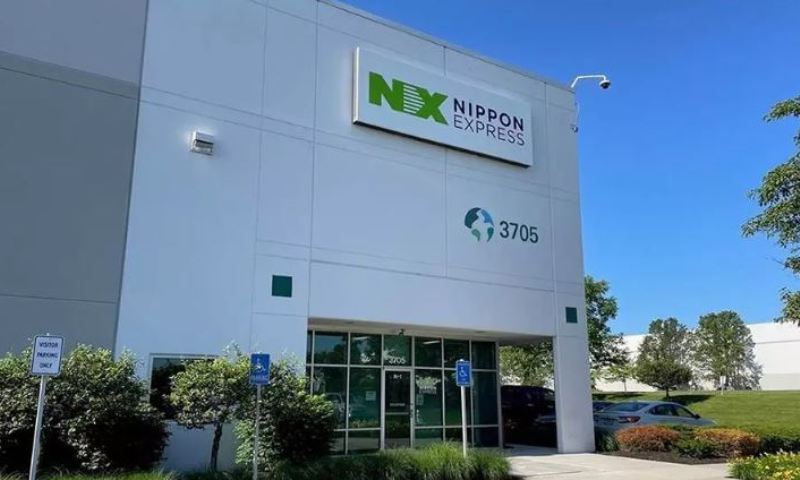
Nippon Express is expanding its presence in Vietnam with the establishment of a new container freight station (CFS) aimed at easing congestion at major airport cargo terminals.
The new facility is designed to handle cargo consolidation and deconsolidation outside airport premises, helping reduce pressure on air cargo infrastructure and streamline logistics operations. By shifting certain processes off-site, Nippon Express aims to improve cargo flow efficiency and shorten turnaround times.
Industry sources say the move comes in response to growing air freight demand in Vietnam, driven by strong export activity in sectors such as electronics, textiles, and manufacturing. Airport congestion has become a key challenge, particularly during peak shipping periods.
The CFS will also support multimodal logistics by integrating air, sea, and road transport, allowing greater flexibility in cargo handling and distribution. Enhanced tracking systems and digital documentation are expected to further improve operational visibility and coordination.
With Vietnam emerging as a major manufacturing and export hub, Nippon Express’s investment underscores the importance of strengthening logistics infrastructure to support sustained trade growth and reduce bottlenecks in the supply chain.