
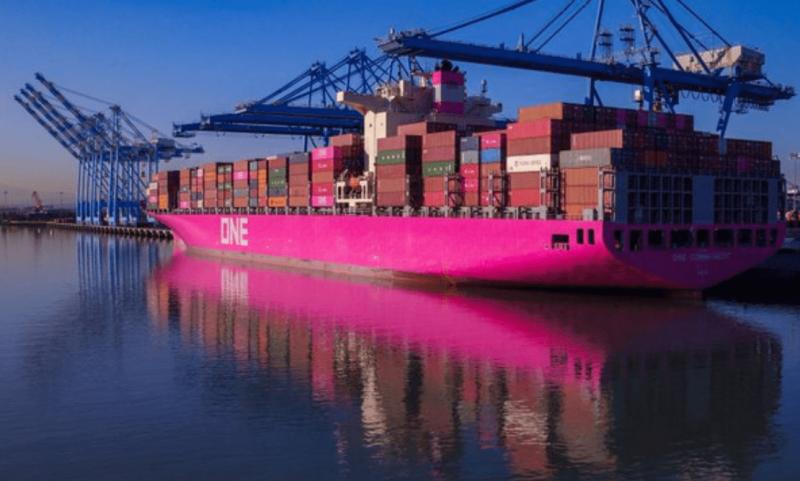
Major container shipping groups the Ocean Alliance and Ocean Network Express (ONE) have filed plans to scale back capacity on the transatlantic trade lane between Europe and North America, signaling another strategic shift as global freight markets adjust to softer demand and rate pressure.
Under a revised vessel-sharing agreement (VSA) submitted to the U.S. Federal Maritime Commission, the Ocean Alliance — consisting of key carriers including CMA CGM, COSCO, Evergreen and OOCL — and ONE’s operations will see reduced vessel space and service offerings on the Europe–North America route. The change aims to better align supply with current cargo demand levels and improve network efficiency.
Industry analysts note that carriers have been cautiously trimming capacity amid ongoing rate weakness across key ocean trades, including transatlantic services, even while volumes have shown some resilience. In recent months, operators have taken a more measured approach to cuts compared with previous market cycles, seeking to avoid service disruptions while supporting stable freight pricing.
The planned capacity adjustments come at a time when global alliances are also refining network structures and partnerships, responding to evolving shipper needs and competitive dynamics. The new service plans are subject to regulatory review and may lead to schedule changes and blank sailings as they are implemented.