
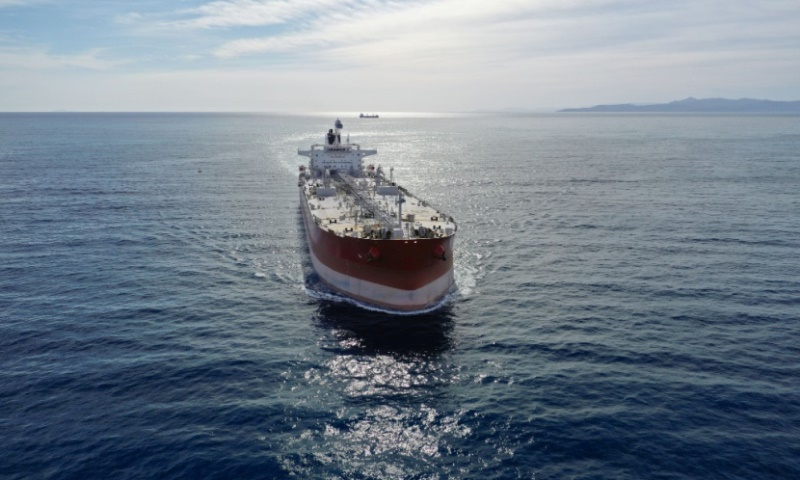
Oil tankers continued to transit through the strategically vital Strait of Hormuz on the first day of a blockade announced by the United States, underscoring the resilience of global energy supply routes despite rising geopolitical tensions.
The narrow waterway, which handles a significant share of the world’s seaborne crude exports, remained operational as vessels carrying oil and petroleum products proceeded under heightened security conditions. Shipping companies and naval forces closely monitored movements in the region amid concerns over potential disruptions.
Initial reports indicate that tanker traffic has not come to a halt, although operators are exercising increased caution, with some rerouting strategies and risk assessments being implemented. Insurance premiums for vessels transiting the region are also expected to rise, reflecting the elevated risk environment.
Market participants are watching the situation closely, as any prolonged disruption in the Strait could have immediate implications for global oil prices and supply chains. The passage is a critical artery for exports from major producers in the Middle East to key markets in Asia, Europe, and beyond.
The US blockade, aimed at exerting pressure in the region, has raised fears of escalation and possible retaliatory actions that could further impact maritime trade. Analysts note that even limited interference with tanker movements could tighten supply and drive volatility in energy markets.
Despite the tensions, the continuation of tanker traffic on day one suggests that stakeholders are attempting to maintain stability in global oil flows while navigating the evolving security landscape.