
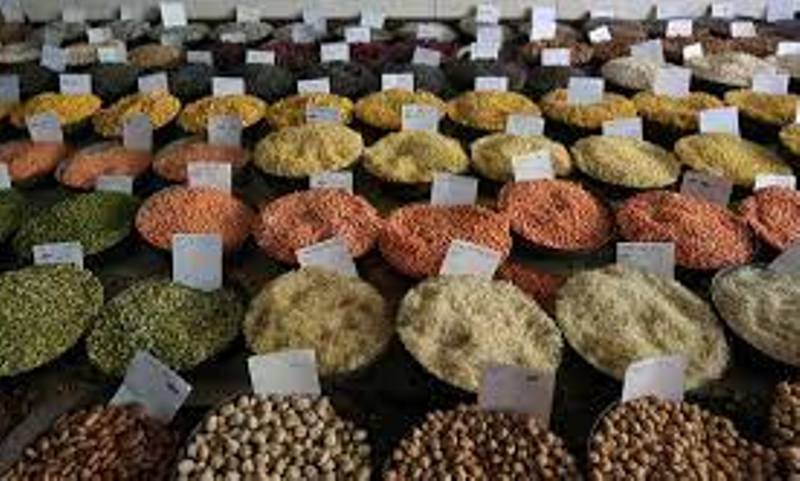
India’s pulse imports declined sharply by 35% during April–January of FY26, driven by robust domestic production and comfortable stock levels that reduced dependence on overseas supplies.
According to trade and government data, higher acreage and favorable weather conditions supported a strong harvest of key pulses such as tur (arhar), urad, and chana. This boosted market availability and helped stabilize prices, limiting the need for large-scale imports.
The government’s proactive measures—including timely procurement at Minimum Support Price (MSP) and buffer stock releases—also played a crucial role in ensuring adequate domestic supply. As a result, import demand softened significantly compared to the previous year.
Industry experts noted that global pulse prices remained relatively stable, but improved domestic output made imports less attractive for traders. Additionally, stricter import policies and monitoring further curtailed inflows.
With sufficient stocks in hand and the rabi harvest outlook remaining positive, imports are expected to stay subdued in the coming months. However, market participants will continue to watch production trends and weather developments closely to assess future supply dynamics.