
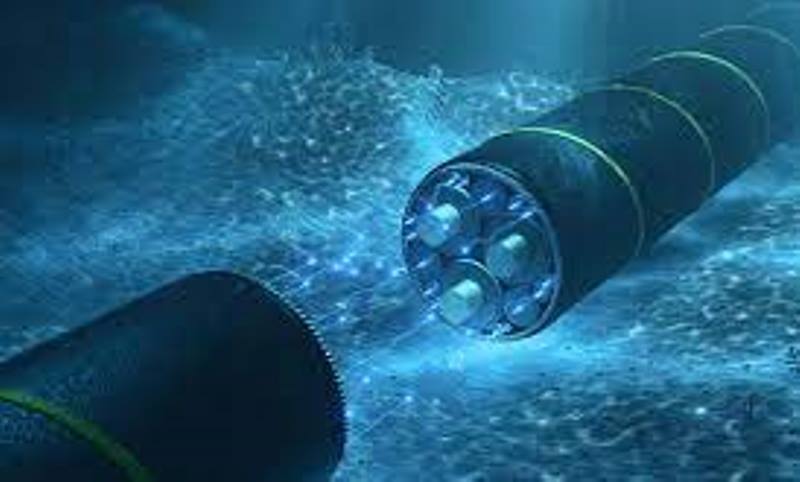
A ship is believed to have accidentally severed multiple undersea internet cables in the Red Sea, disrupting connectivity across Africa, Asia and the Middle East, experts said on Tuesday.
The International Cable Protection Committee (ICPC) confirmed that 15 submarine cables pass through the Bab el-Mandeb Strait, a vital chokepoint between East Africa and the Arabian Peninsula. Over the weekend, several cables were reported damaged, including the SEA-ME-WE 4, India-Middle East-Western Europe, and FALCON GCX systems. On Tuesday, analysts added the Europe India Gateway cable to the list.
Doug Madory, director of internet analysis at Kentik, said early evidence points to a commercial vessel dragging its anchor across the seabed and cutting at least four cables. “Damage to submarine cables from dragged anchors accounts for about 30% of incidents annually, representing around 60 faults,” added ICPC operations manager John Wrottesley.
The disruption slowed internet access across at least 10 countries, including India, Pakistan and the UAE, as service providers scrambled to reroute traffic. While backup connections kept networks online, users experienced delays and reduced speeds.
The incident comes amid heightened security concerns in the Red Sea, where Houthi rebel attacks on ships have raised fears of deliberate strikes on subsea cables. Earlier this year, Yemen’s exiled government alleged that the Houthis planned such attacks, though the group has denied responsibility for any cable damage.
Undersea cables form the backbone of global internet infrastructure, carrying over 95% of international traffic. Their vulnerability in conflict zones and congested shipping routes continues to pose risks for global connectivity.