
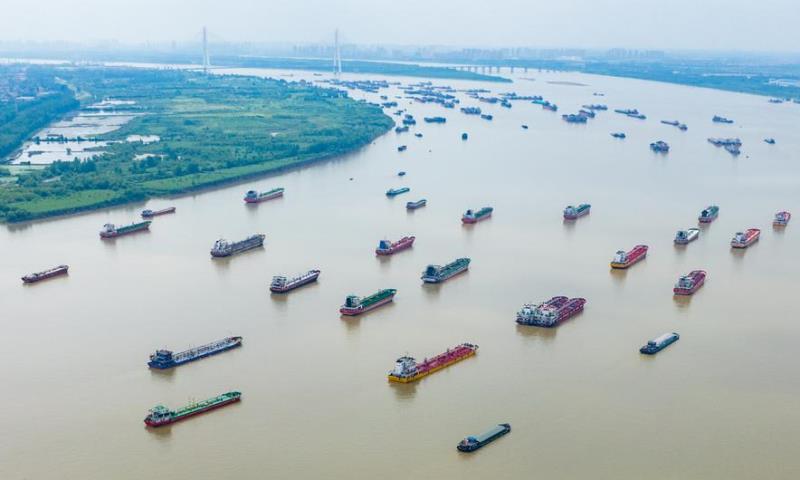
Global shipping activity in the Persian Gulf is expected to see a rapid outbound movement of vessels once security conditions stabilise, according to the Baltic and International Maritime Council (BIMCO).
The world’s largest shipping association noted that a number of commercial vessels are currently either waiting in or approaching the Persian Gulf amid heightened regional tensions. Shipowners and operators are exercising caution, closely monitoring the evolving security situation before making transit decisions.
BIMCO stated that once it is deemed safe, ships that have been delayed or held back are likely to depart the region quickly to minimise further disruptions. The organisation highlighted that prolonged uncertainty could impact global trade flows, particularly energy shipments, as the Persian Gulf remains a critical corridor for crude oil and LNG exports.
Shipping companies are also reassessing voyage plans, with some opting to delay entry into the Gulf or reroute where possible. Insurance premiums and risk assessments for transiting the region have reportedly risen, adding to operational costs.
Despite the challenges, BIMCO emphasised that the industry is experienced in navigating geopolitical risks and will adapt swiftly. However, any sustained disruption in the Persian Gulf could have wider implications for freight markets, supply chains, and global energy prices.