
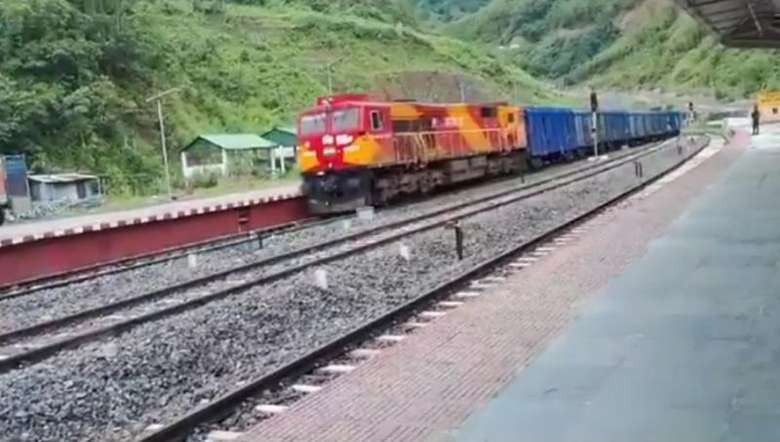
South Western Railway (SWR) is set to revolutionize cement logistics by introducing specialised tankers, similar to those used in oil transport, to carry bulk cement. The move is expected to reduce transportation costs by around 30 per cent, while also lowering labour expenses, as cement companies install pipelines for unloading directly from the tankers.
Industry experts predict that retail cement prices could drop by ₹20-30 per bag, potentially boosting construction activity across the region.
Senior Indian Railway Traffic Service (IRTS) officer Mukul Saran Mathur described the initiative as a “fundamental shift in the logistics of construction materials.” He explained that the new system moves away from the traditional, labour-intensive method of handling 50 kg cement bags, which historically caused high freight costs and operational delays.
“By introducing a rationalised freight policy and supporting specialised infrastructure, the Railways are offering a mechanised, efficient, and multi-modal solution,” Mathur said. “The focus on containerised bulk movement provides an end-to-end, pollution-free alternative, reducing reliance on road transport and cutting carbon emissions.”
The reform is seen as a key step toward modernizing bulk cement transport and streamlining supply chains, benefiting both manufacturers and end consumers.