
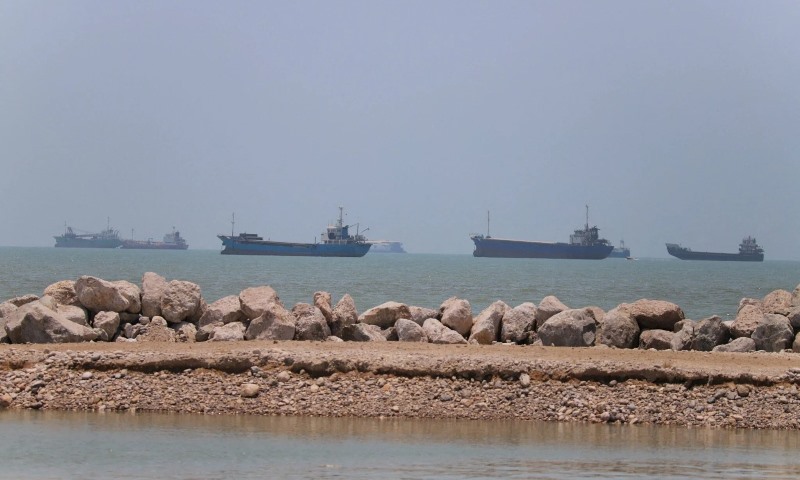
Traffic through the Strait of Hormuz has begun to recover after a sharp decline following recent attacks on commercial vessels, with crude oil tanker operators gradually resuming voyages into the Persian Gulf.
According to vessel tracking data from Kpler, around 24 commodity vessels, including crude oil tankers, LNG carriers, and bulk carriers, transited the strategic waterway in both directions on Monday. The recovery continued on Tuesday, with additional crude tankers, including a supertanker, entering the Gulf.
The returning fleet represents a combined carrying capacity of approximately 11 million barrels of crude oil, signaling growing confidence among shipowners after a temporary slowdown triggered by attacks on merchant shipping. Vessel movements had fallen significantly following an attack on a container ship last Thursday.
The improvement comes after the United States conducted fresh strikes on Iran, followed by an agreement between the two sides to halt hostilities ahead of planned peace talks. Market participants have been closely monitoring tanker movements, as the safe return of shipping is essential for Gulf producers to restore normal crude exports.
Among the vessels re-entering the Persian Gulf were three empty Very Large Crude Carriers (VLCCs) operated by South Korea’s Sinokor, which sailed into the Gulf on Monday while broadcasting their positions along the Omani coast. A fourth Sinokor-operated tanker, added to the company’s fleet earlier this year according to Equasis, was later detected inside the Gulf, reportedly heading towards Iraq’s Basrah oil export terminal.
A 2026-built Marshall Islands-flagged Suezmax tanker, owned by a Greek operator, also appeared within the Persian Gulf in what is believed to be its first entry since the conflict escalated in late February. The vessel is currently anchored off Ras Al Khaimah in the United Arab Emirates, awaiting further instructions. Tracking data suggests the tanker crossed the Strait of Hormuz with its AIS transponder temporarily switched off before resuming transmissions inside the Gulf.
Meanwhile, the Nisalah, a VLCC controlled by Bahri (The National Shipping Company of Saudi Arabia), completed an inbound voyage and is now positioned off Ras Tanura, Saudi Arabia’s principal oil export hub and home to one of the world’s largest refineries. Bahri had already deployed several VLCCs into the Gulf over the past week as regional shipping activity gradually resumed.
The increase in tanker movements indicates improving confidence among shipowners and charterers, although operators remain cautious as geopolitical tensions in the region continue to influence global energy supply chains and freight markets.