
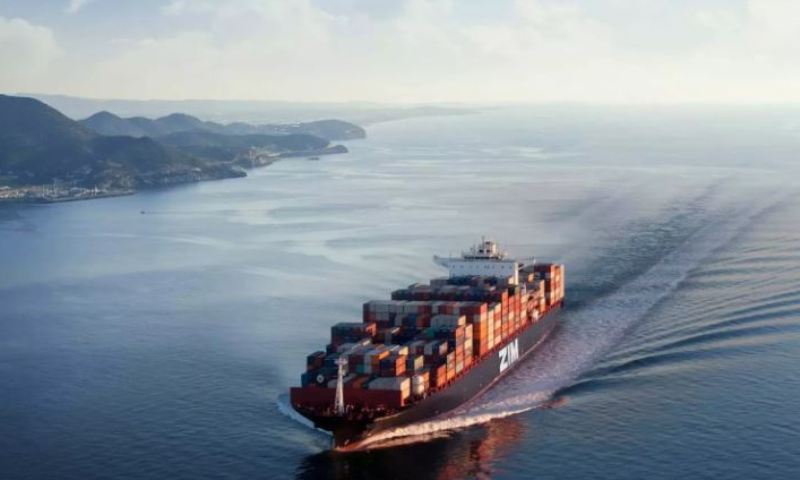
ZIM Integrated Shipping Services has outlined the key terms of its proposed $4.2 billion sale of a majority stake to Hapag‑Lloyd, while unveiling plans for a new strategic carve-out entity, in a move poised to reshape parts of the container shipping landscape.
Under the agreement, Hapag-Lloyd will acquire a controlling share in certain ZIM assets and operations, accelerating consolidation in the sector and potentially enhancing network efficiencies across key trade lanes. As part of the transaction structure, ZIM has proposed the establishment of a separate “New ZIM” carve-out business that will focus on niche services, targeted routes and specialised customer segments.
Company executives said the carve-out — to be branded New ZIM — will retain agility and customer focus, leveraging digital tools and flexible service offerings to differentiate itself from traditional liner models. The new unit is expected to operate independently with a dedicated leadership team and tailored commercial strategy.
The terms of the Hapag-Lloyd deal envisage a mix of cash and stock consideration, subject to regulatory approvals and customary closing conditions. ZIM’s leadership highlighted that the strategic partnership aims to combine Hapag-Lloyd’s vast network scale with the agility and customer relationships of the New ZIM entity.
Analysts noted that the move comes amid an ongoing phase of consolidation in the container shipping industry, driven by pressures to optimise capacity utilisation and improve long-term profitability. The carve-out strategy, they said, reflects a dual approach: leveraging the strengths of a global giant while preserving the entrepreneurial edge of a specialised operator.
Industry stakeholders are watching how regulators in key markets — including the U.S., European Union and Asia — will review the transaction’s competitive implications. Both ZIM and Hapag-Lloyd have signalled confidence that the deal will clear necessary oversight and deliver value for shareholders and customers alike.
ZIM’s announcement underscores the evolving dynamics of maritime logistics, where scale, technology and customer segmentation are increasingly central to strategic positioning. The companies expect to provide further details on the transaction timeline and operational plans in the coming weeks.