
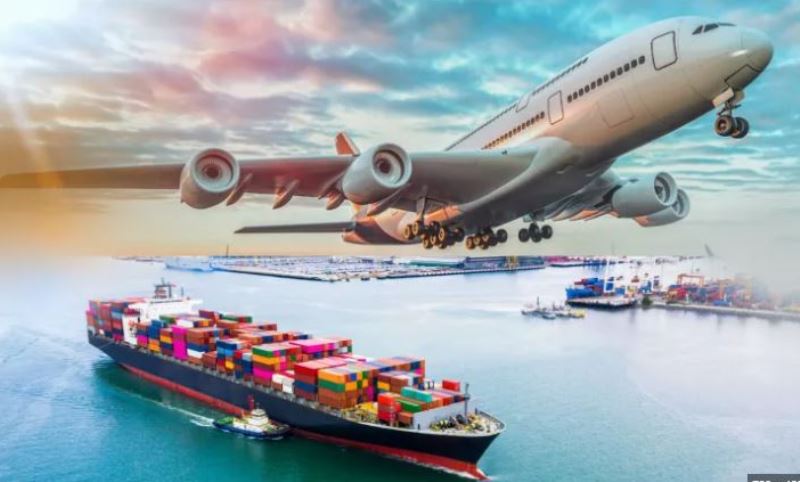
The pharmaceutical industry is undergoing a strategic shift in transportation preferences, where supply chains are increasingly balancing the trade-offs between air and sea transport . Traditionally, air freight has been the preferred option for moving sensitive, high-value pharmaceutical products, but recent changes in cost structures, technological advancements, and a renewed focus on sustainability are leading companies to reconsider their logistics options. Insights from industry experts like Keku Bomi Gazder, MD & CEO, AVIAPRO Logistic Services Private Limited shed light on why this shift is happening and how both air and sea freight can play a role in meeting the evolving needs of pharmaceutical supply chains.
Cost Efficiency and the Push for Sustainability
One of the main drivers behind the transition from air to sea transport is cost. Air freight, while expedient, is significantly more expensive, especially in times of high fuel costs or sudden demand surges from global supply chain disruptions. This makes balancing cost and speed a critical issue for pharmaceutical companies as they strive to deliver products safely and on time.
Meanwhile, sea freight offers a more economical alternative, and innovations in cold chain technology have made it viable for even temperature sensitive pharmaceuticals. This development aligns with the industry’s growing focus on sustainability. With a lower carbon footprint, sea freight enables pharmaceutical companies to contribute positively to their environmental goals. As Gazder noted, clients today are less focused on choosing between air or sea transport; instead, they are prioritizing timing and cost efficiency as logistics providers work to meet these requirements.
Enhancements in Reliability and Security for Sea Freight
For many years, air transport was the preferred choice for high-value pharmaceuticals due to its speed and high level of reliability. However, advancements in sea freight infrastructure especially in cold chain logistics—have enabled ocean transport to close the gap in terms of reliability and security.
Modern ports now offer advanced cold chain facilities with stringent regulatory standards, ensuring pharmaceutical shipments maintain their integrity during transit. IoT-enabled sensors and blockchain tracking systems allow for precise temperature monitoring, similar to air freight, and provide the visibility and transparency that pharmaceutical companies need. As Gazder highlighted, “The shipping industry has made incredible strides in providing innovative solutions for the pharmaceutical sector, while the air freight industry still has some catching up to do.” This progress means that more companies are feeling confident in using sea freight for certain products, especially those with longer shelf lives.
Supply Chain Resilience and Strategic Planning
Global disruptions—from geopolitical conflicts to supply chain bottlenecks—are prompting companies to rethink their approach to logistics. The pharmaceutical industry, in particular, is exploring a hybrid strategy that balances air and sea transport, allowing companies to diversify their options and mitigate risks.
By building a buffer inventory and using sea freight for non-urgent shipments, pharmaceutical companies can reduce their reliance on costly air freight and enhance supply chain resilience. Gazder framed this trend not as a “competition” but as a “comparison” of two evolving industries. He stressed that logistics providers should focus on the value added to the supply chain rather than the mode of transport alone. For pharmaceutical companies, this perspective offers a way to optimize logistics strategies while adapting to ever-changing market conditions.
Regulatory Compliance and Cold Chain Advancements
Pharmaceutical logistics are highly regulated, with strict guidelines around temperature control, security, and documentation. Historically, air freight was the primary option to meet these standards, but sea freight providers have been improving their infrastructure to align with regulatory requirements, including Good Distribution Practice (GDP) standards. This progress means that companies can increasingly use sea freight without facing regulatory limitations.
With both options now capable of meeting regulatory requirements, logistics providers can offer clients the flexibility to choose the best option based on factors beyond compliance alone.
Shaping the Future of Pharmaceutical Supply Chains
With the growth of biologics and personalized medicine, logistical demands are becoming more complex. While air freight remains essential for highly sensitive, time-critical products , sea freight’s improved cold chain capabilities make it an attractive option for stable product lines. The trend is moving towards a balanced, multi-modal approach that meets diverse needs.
Looking ahead, Gazder’s insights suggest that the future of pharmaceutical supply chains will be marked by a value-driven approach where the mode of transport is secondary to cost-efficiency, timing, and supply chain integrity. This hybrid model—using air for critical shipments and sea for stable product lines—positions the pharmaceutical industry to achieve a resilient, flexible logistics framework that can adapt to future challenges.