
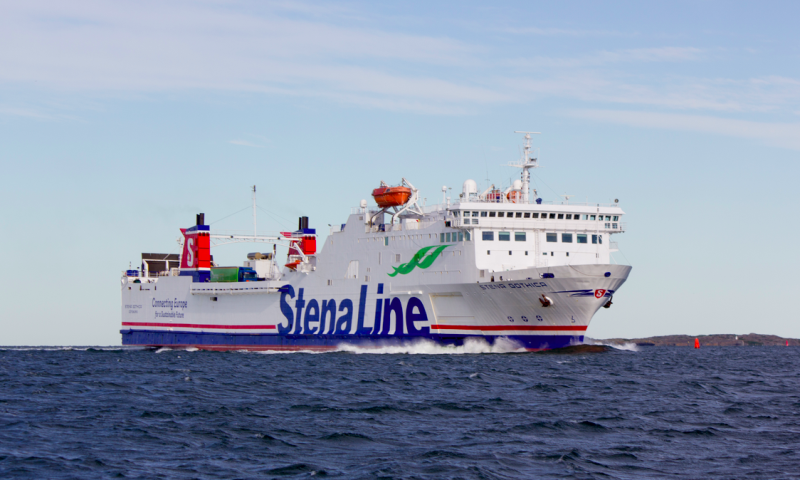
Stena Line has signed an agreement to acquire Latvian company Terrabalt, taking over the operation of the RoRo, bulk and general cargo terminal in Liepaja, Latvia’s third-largest port. The deal, subject to approval from the Latvian competition authority and other institutions, will strengthen the Swedish ferry operator’s footprint in the Baltic Sea region.
Liepaja Port is managed by the Liepāja Special Economic Zone (SEZ), part of a free trade zone established in 1997 that includes the port, industrial area, and airport. Stena Line already operates the Liepaja–Travemünde route with two vessels.
“Our investment in Liepaja means that we continue to be a long-term partner to Latvia and contribute to the further development of the country’s competitiveness and growth,” said Niclas Mårtensson, CEO of Stena Line. “We believe in a prosperous future for the Baltic Sea region, where investments in infrastructure and increased cooperation between the countries are key to strengthening trade and resilience.”
Carl-Johan Hellner, COO Ports & Terminals at Stena Line, added: “Trade and supply chain resilience requires a long-term perspective, and in close partnership with the Latvian State, Liepaja Special Economic Zone, and not least our customers, we continue to build for the future.”
The move follows Stena Line’s expansion in Ventspils, Latvia’s second-largest port, where it acquired port operations in May 2023. The company also runs services on the Ventspils–Nynäshamn and Gdynia–Karlskrona routes, and holds a majority stake in port operator Karlskrona Baltic Port (KBP). In Sweden, it operates the Trelleborg–Rostock route with the country’s only two rail ferries, a vital connection for continental Europe.
“With this acquisition, we strengthen our own position and secure the future conditions for our customers in the region. We look forward to developing the port and its infrastructure for safe and high-quality operations,” Mårtensson concluded.
The commercial details of the agreement were not disclosed.