
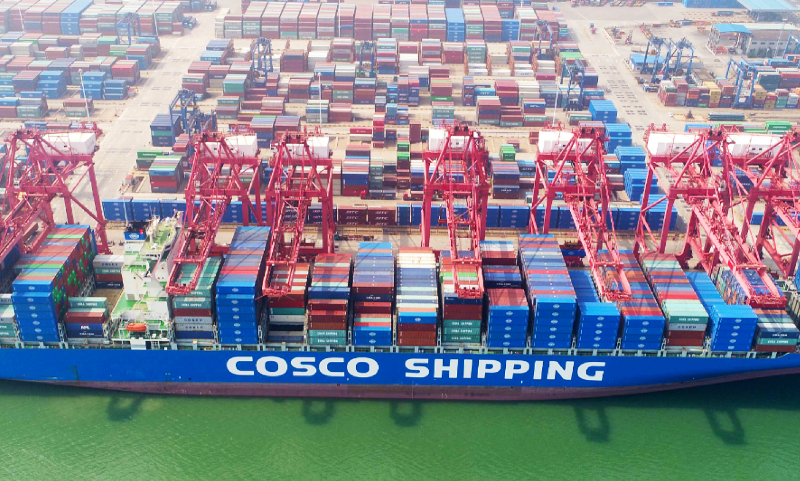
COSCO Shipping has marked a key milestone in its decarbonisation programme after the container vessel COSCO SHIPPING LIBRA successfully completed its maiden commercial voyage using methanol dual-fuel propulsion.
The voyage demonstrated the vessel’s ability to operate safely and efficiently on methanol, validating both the ship’s design and the supporting bunkering and operational procedures. The dual-fuel capability allows the vessel to switch between conventional marine fuels and methanol, significantly reducing emissions when operating on green or low-carbon methanol.
COSCO Shipping said the achievement underscores its commitment to advancing alternative fuels and accelerating the transition toward low- and zero-carbon shipping. Methanol is increasingly viewed by liner operators as a practical near-term solution due to its scalability, existing handling experience and potential to cut greenhouse gas emissions.
The successful maiden voyage of COSCO SHIPPING LIBRA follows a series of investments by the group in methanol-ready and dual-fuel vessels, as well as partnerships across the fuel supply chain to secure future availability of green methanol.
Industry observers say the milestone reflects growing momentum behind methanol as a marine fuel, as global shipping lines respond to tightening environmental regulations and customer demand for more sustainable transport solutions.