
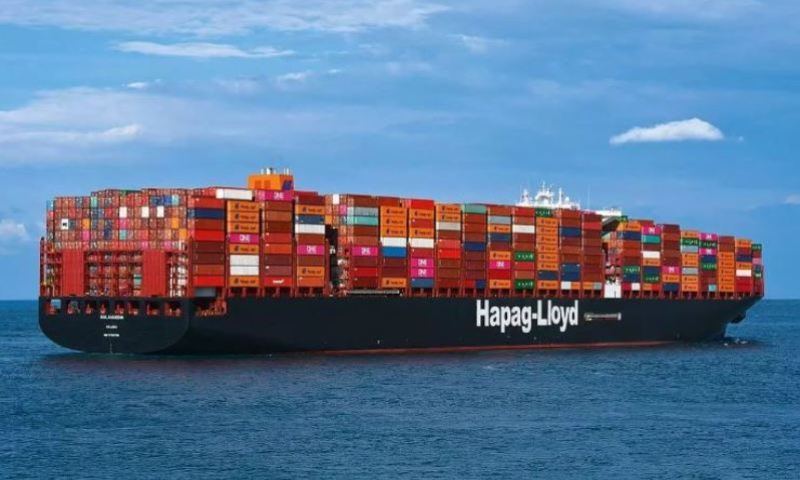
German container shipping line Hapag-Lloyd reported transport volumes of 13.5 million TEU, even as average freight rates declined by 8%, reflecting softer market conditions across major trade lanes.
The carrier said volumes remained resilient amid ongoing fleet growth across the industry and easing congestion, while the drop in freight rates weighed on revenue performance. Lower rates were driven by increased vessel capacity, normalization of supply chains and more cautious demand from key consumer markets.
Despite the pricing pressure, Hapag-Lloyd highlighted stable operational performance and continued focus on cost discipline, network optimisation and long-term customer contracts to mitigate market volatility. The company has also been prioritising schedule reliability and service quality as competition intensifies.
Hapag-Lloyd noted that geopolitical risks and regulatory developments remain key variables for the container market, even as near-term freight rates face downward pressure. The carrier continues to invest in fleet modernisation and decarbonisation initiatives, including the deployment of more fuel-efficient vessels.
Industry analysts say the results underline the shift from the extraordinary rate environment of recent years to a more normalized market, where volume stability and cost control are becoming increasingly critical for liner profitability.