
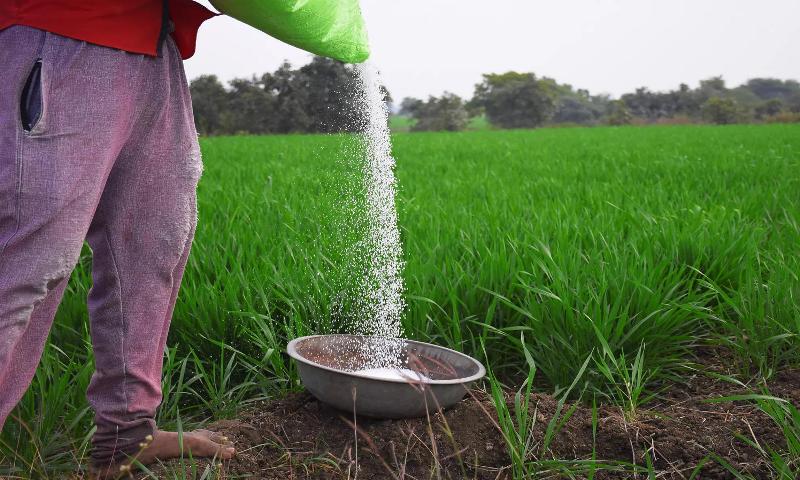
India is stepping up fertiliser procurement from Russia and Morocco to ensure adequate supplies for the upcoming agricultural season as the ongoing conflict in West Asia disrupts global trade routes and supply chains.
Government officials and industry sources said the war has affected shipments of key fertilisers and raw materials from several producers in the region, prompting India to diversify its sourcing strategy. By securing additional supplies from Russia and Morocco, authorities aim to prevent shortages and stabilize domestic fertiliser availability ahead of peak farming demand.
India is one of the world’s largest importers of fertilisers, relying heavily on overseas suppliers for products such as urea, diammonium phosphate (DAP), and potash. Disruptions in shipping routes and increased freight costs linked to the conflict have raised concerns about timely deliveries to Indian ports.
Officials said state trading agencies and fertiliser companies have accelerated negotiations with suppliers in Russia and Morocco to lock in shipments over the coming months. Both countries are major producers of fertiliser and related raw materials, making them key partners in maintaining supply continuity.
The government is also closely monitoring global prices and logistics conditions to ensure that fertiliser imports remain stable and affordable for domestic distribution. Industry analysts believe diversifying sourcing could help India cushion the impact of geopolitical tensions on agricultural inputs and safeguard crop production in the coming season.