
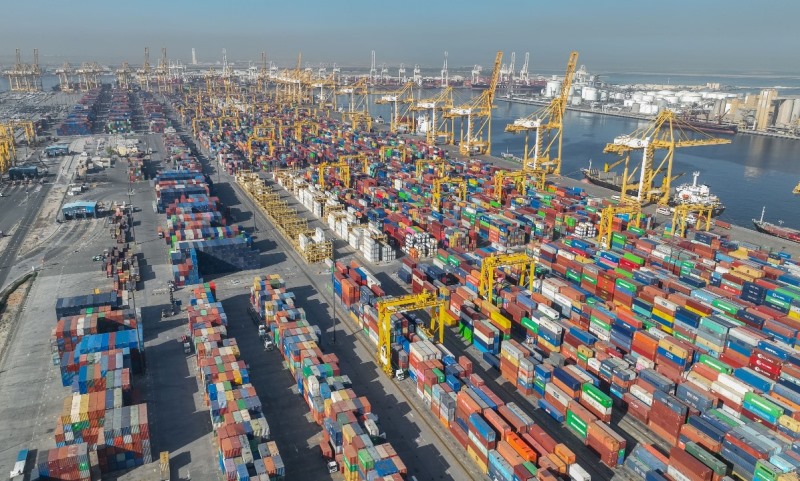
Ports across the United Arab Emirates are navigating a complex challenge often described as the “Hormuz paradox,” where heightened geopolitical tensions simultaneously disrupt shipping flows while increasing the strategic importance of regional port infrastructure.
At the center of this dynamic is the Strait of Hormuz, a vital artery for global energy and trade. While risks in the strait have led to higher insurance costs, rerouted vessels, and cautious shipping activity, they have also driven greater reliance on UAE ports as alternative logistics and transshipment hubs.
Major ports in the UAE are witnessing shifting cargo patterns as shipping lines adjust routes to mitigate risks. Some operators are opting for shorter regional movements and increased use of feeder services, while others are leveraging the UAE’s advanced port infrastructure to consolidate and redistribute cargo.
However, the same tensions that boost port activity also pose operational uncertainties. War-risk premiums, fluctuating vessel schedules, and concerns over maritime security continue to impact planning and cost structures for port operators and logistics providers.
Industry experts note that the UAE’s strategic location and world-class port facilities position it well to capitalise on changing trade flows. Yet, sustained instability in the region could limit long-term gains by deterring shipping lines from fully committing to high-risk corridors.
The situation highlights the delicate balance UAE ports must maintain—benefiting from their proximity to a critical trade route while managing the inherent risks associated with it.
As geopolitical developments evolve, the resilience and adaptability of the UAE’s port network will play a key role in shaping regional and global logistics dynamics.