
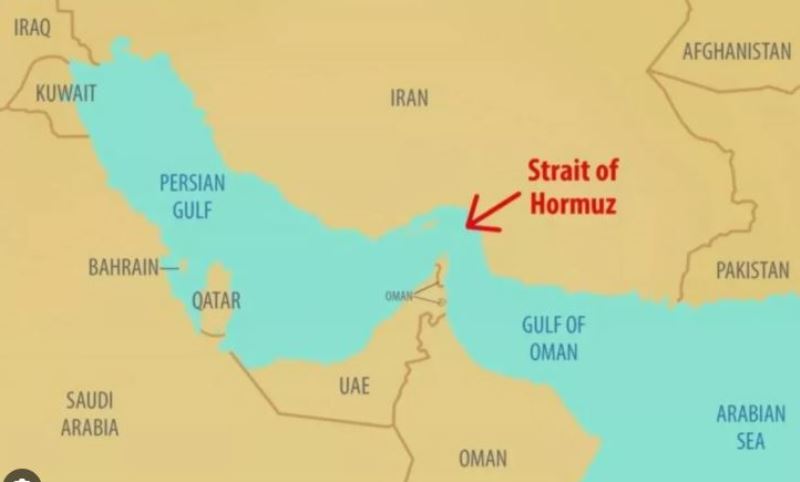
A temporary ceasefire between the United States and Iran has opened the door for a controversial new arrangement in the Strait of Hormuz, with Iran and Oman expected to levy transit fees on commercial vessels during the two-week truce.
Under the ceasefire framework, ships passing through the critical chokepoint—responsible for nearly one-fifth of global oil trade—may be required to pay charges for safe passage. The move marks a significant departure from long-standing norms, as the strait has historically functioned as an international waterway free of tolls.
The proposal comes after weeks of conflict that effectively disrupted shipping through the region, sending freight rates and oil prices sharply higher. As part of the truce, Tehran has agreed to conditionally reopen the route, while also seeking to generate revenue—reportedly for post-war reconstruction—through transit fees.
Reports suggest that vessels may need prior clearance or permits coordinated by authorities in Tehran and Muscat, adding a new layer of operational complexity for global shipping lines. Industry experts warn that such requirements could lead to delays, higher insurance premiums, and increased voyage costs.
However, the plan has raised legal questions, as international maritime law generally guarantees free transit through key straits like Hormuz. Any attempt to enforce tolls could trigger disputes and further geopolitical tensions.
Shipping companies remain cautious despite the ceasefire, citing ongoing security concerns and lack of clarity over enforcement mechanisms. Analysts say that while the truce may allow limited movement of vessels, a full-scale normalization of traffic is unlikely in the near term.
The development underscores the growing geopolitical risks surrounding one of the world’s most vital energy corridors, with potential ripple effects across global trade, freight markets , and energy supply chains.