
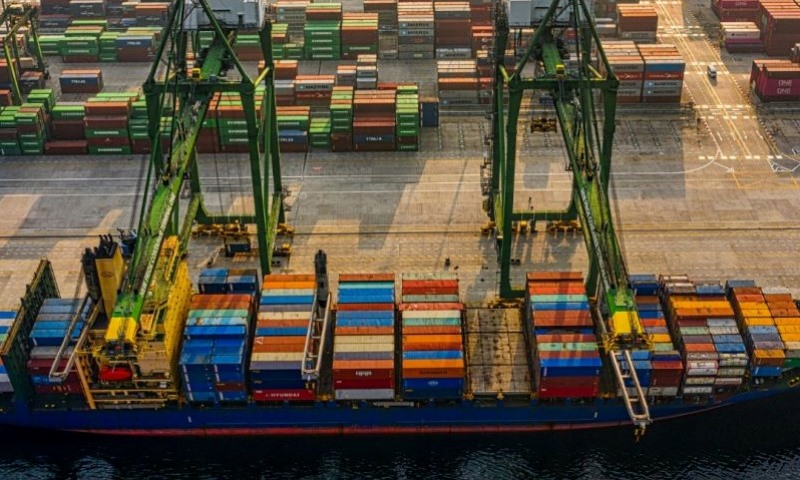
Maritime traffic through the Strait of Hormuz has dropped sharply, with only five ships transiting the vital waterway in the past 24 hours as the regional crisis deepens. The steep decline underscores growing security concerns and operational risks in one of the world’s most strategically important shipping corridors.
The Strait of Hormuz is a critical route for global crude oil, liquefied natural gas, and container cargo flows connecting Gulf producers with international markets. Reduced vessel movement is likely to disrupt supply chains, tighten tanker availability, and increase freight and insurance costs across energy and shipping sectors.
Shipping companies are reportedly reassessing voyages through the area, with some opting to delay sailings or seek alternative routes where possible. Industry observers warned that prolonged disruption could intensify pressure on fuel prices, commodity markets, and delivery schedules worldwide.
Governments and maritime stakeholders are closely monitoring the situation, as any further escalation could trigger broader consequences for global trade and energy security.