
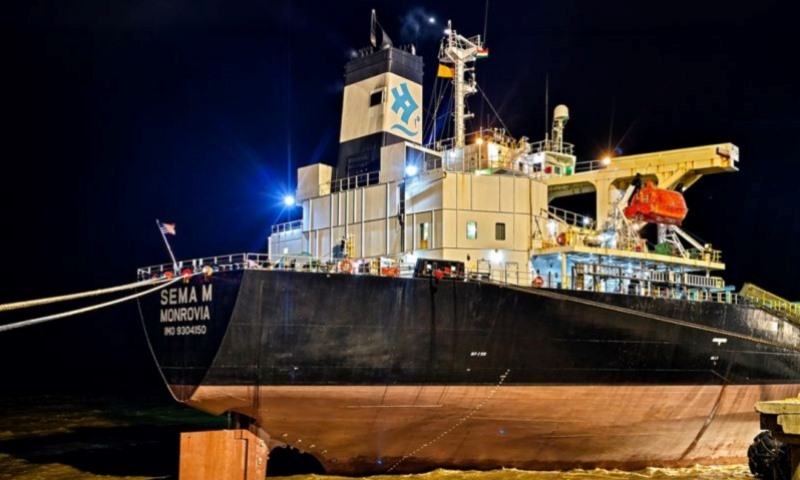
Adani Dahej Port has successfully handled the vessel MV SEMA M, a capsize-type bulk carrier, marking a significant operational milestone for the facility. The vessel’s discharge included slag, which is being handled at the port for the first time, introducing a new commodity stream to its growing cargo portfolio.
The successful operation underscores the port’s expanding technical and logistical capabilities in managing diversified bulk cargo alongside increasingly large and complex vessels. According to port officials, the handling of slag required careful coordination, specialized equipment deployment, and strict adherence to safety protocols due to its bulk density and handling requirements.
This achievement further strengthens Dahej Port’s position as a key bulk cargo hub on India’s western coast. Operated under the Adani Ports and SEZ network, the facility continues to scale up its infrastructure to accommodate a wider range of industrial commodities, supporting sectors such as steel, manufacturing, and energy.
Industry observers note that successfully managing a capsize vessel like MV SEMA M also demonstrates improved berth efficiency and operational readiness for handling high-volume shipments without disruptions.
With this development, Adani Dahej Port is expected to attract additional bulk cargo volumes, particularly from industrial clients seeking reliable and high-capacity port infrastructure.