
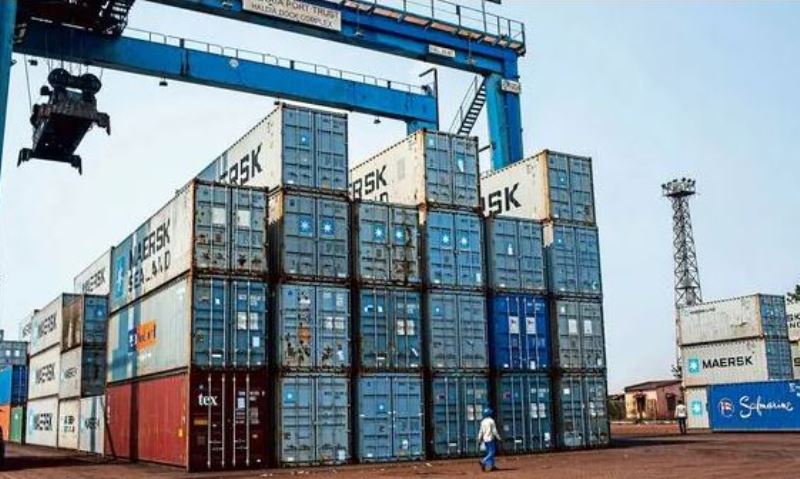
Global Trade Research Initiative (GTRI) has urged India to undertake a comprehensive overhaul of its tariff and customs framework, warning that the current structure is no longer effective as a revenue-generating tool and instead increases trade costs for businesses.
In its flagship report, the think tank said complex import duties and cumbersome customs procedures are raising input costs for manufacturers, slowing trade flows and undermining India’s competitiveness in global markets. According to GTRI, these inefficiencies could hamper the country’s ambition to emerge as a major global manufacturing and export hub.
The report proposed 23 recommendations aimed at rationalising tariff structures and simplifying customs administration. Suggested reforms include streamlining duty rates, improving policy transparency and modernising customs processes to reduce delays and transaction costs.
GTRI stressed that frequent changes in tariff rates create uncertainty for businesses planning long-term investments and supply chains, making policy predictability critical for attracting global manufacturers.
The report comes amid major shifts in global trade patterns driven by geopolitical tensions, supply-chain disruptions and the ongoing U.S.–China trade realignment. GTRI said multinational companies are increasingly diversifying sourcing networks, creating opportunities for India to strengthen its role in global value chains.
However, the think tank cautioned that high duties on intermediate goods continue to raise production costs for Indian manufacturers, reducing export competitiveness compared to other manufacturing economies.
Efficient customs procedures and predictable tariff policies are essential for reducing supply-chain disruptions, accelerating cargo clearances and improving ease of doing business, the report added.
GTRI said India must adopt a more forward-looking trade strategy that balances domestic industry protection with global competitiveness, warning that without significant reforms, the country risks losing emerging investment and export opportunities to rival economies.