
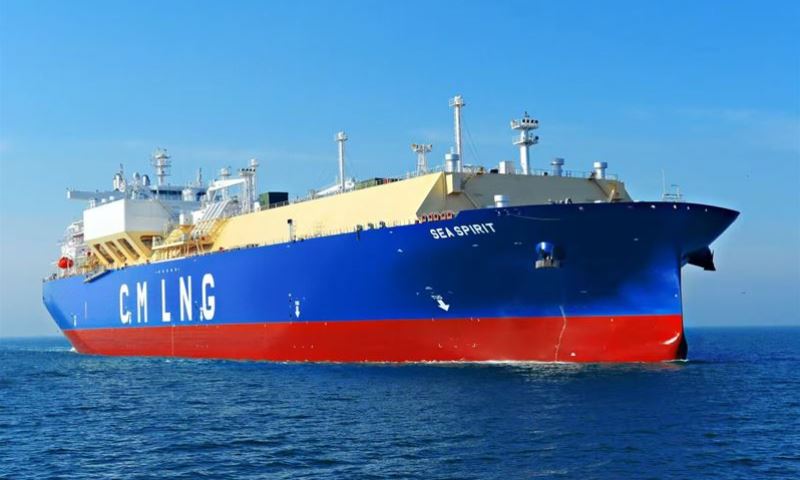
India has declined Russia’s offer to supply liquefied natural gas (LNG) cargoes subject to U.S. sanctions, despite mounting energy supply concerns caused by the ongoing West Asia crisis, according to sources familiar with the matter.
The decision reflects New Delhi’s cautious approach to balancing energy security with compliance risks linked to sanctioned Russian LNG shipments, even as the country faces tightening gas supplies following disruptions in the Strait of Hormuz.
A cargo from Russia’s sanctioned Portovaya LNG plant in the Baltic Sea remains stranded after India refused to accept the shipment, one of the sources said. The LNG tanker Kunpeng, which had indicated western India’s Dahej LNG terminal as its destination in mid-April, is currently near Singaporean waters without broadcasting a final destination, according to LSEG shipping data.
The cargo reportedly carried documentation suggesting it was non-Russian LNG, but authorities were still able to track its origin, highlighting the difficulty of disguising LNG shipments compared to crude oil cargoes.
India conveyed its position during Russian Deputy Energy Minister Pavel Sorokin’s visit to New Delhi on April 30, when he met Petroleum and Natural Gas Minister Hardeep Singh Puri and other officials, sources said. Sorokin may return in June for further discussions on permitted Russian energy exports and long-term supply agreements.
While India has continued importing large volumes of Russian crude oil under temporary U.S. sanction waivers introduced amid the U.S.-Israeli conflict with Iran, LNG cargoes are considered significantly riskier from a compliance perspective due to their traceability through satellite monitoring and shipping data.
Russia’s Portovaya LNG facility and the Arctic LNG 2 project remain under U.S. sanctions imposed over Moscow’s war in Ukraine. Indian officials are understood to be open to purchasing authorised Russian LNG cargoes, though most available supplies are already tied up in long-term European contracts.
China continues to remain one of the largest buyers of both sanctioned and non-sanctioned Russian LNG, sources added.
The development also underlines the challenges Russia faces in redirecting its LNG exports toward alternative Asian markets amid tightening Western sanctions.
Beyond LNG, Moscow is reportedly seeking broader long-term agreements with India involving fertilisers such as potash, phosphorus and urea.
Before the Iran conflict disrupted maritime traffic through the Strait of Hormuz, India met nearly half of its natural gas demand through imports, with around 60% of those volumes transiting the strategic waterway. More than half of India’s crude oil imports also passed through Hormuz.
Against the backdrop of rising energy and import costs, Indian Prime Minister Narendra Modi on Sunday urged citizens to conserve fuel and foreign exchange by adopting work-from-home practices, limiting overseas travel and reducing imports of gold and edible oils.