
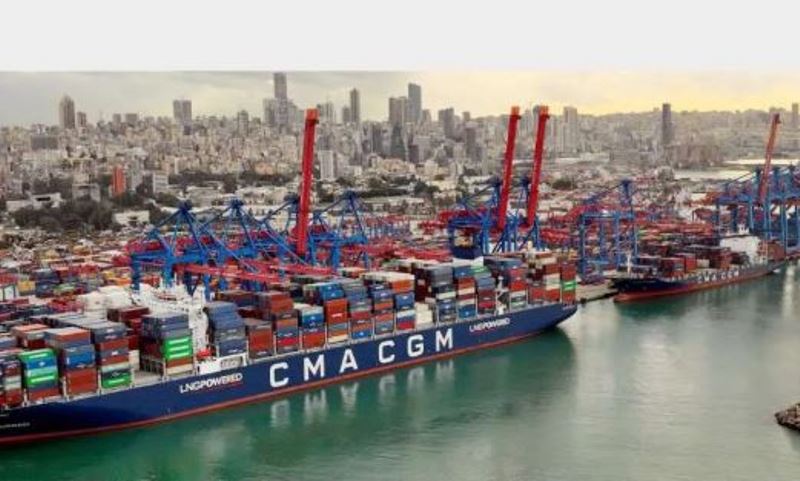
CMA CGM is preparing to increase vessel transits through the Suez Canal following the resumption of selected India–Europe shipping services via the traditional route. The move signals growing confidence among carriers in restoring network efficiency and reducing voyage times on one of the world’s most important maritime trade corridors.
The renewed India–Europe routing will allow CMA CGM to reconnect key ports across the Indian subcontinent and Europe through the Suez Canal, offering shorter transit times compared with alternative routes around the Cape of Good Hope. The adjustment is expected to improve schedule reliability and enhance service competitiveness for customers moving cargo between the two regions.
The shipping line, like many global carriers, had previously rerouted vessels away from the Suez corridor due to security concerns in the Red Sea region. Those diversions led to longer sailing distances, increased fuel consumption, higher operating costs, and tighter vessel capacity across several trade lanes.
By gradually reintroducing Suez Canal transits, CMA CGM aims to optimize network deployment while supporting growing cargo demand on the India–Europe trade route. The move is expected to benefit exporters and importers through improved transit efficiency and potentially lower logistics costs.
Industry observers note that carrier decisions regarding Suez Canal usage continue to depend on evolving security conditions and risk assessments. While some operators remain cautious, the return of selected services through the corridor could signal a broader shift toward normalizing operations on affected routes if conditions remain stable.
The India–Europe trade lane remains a vital market for container shipping, handling a wide range of cargo including textiles, machinery, chemicals, pharmaceuticals, automotive products, and consumer goods. Increased Suez Canal utilization by CMA CGM is expected to strengthen connectivity between the two regions and support the recovery of traditional shipping patterns in global trade.