
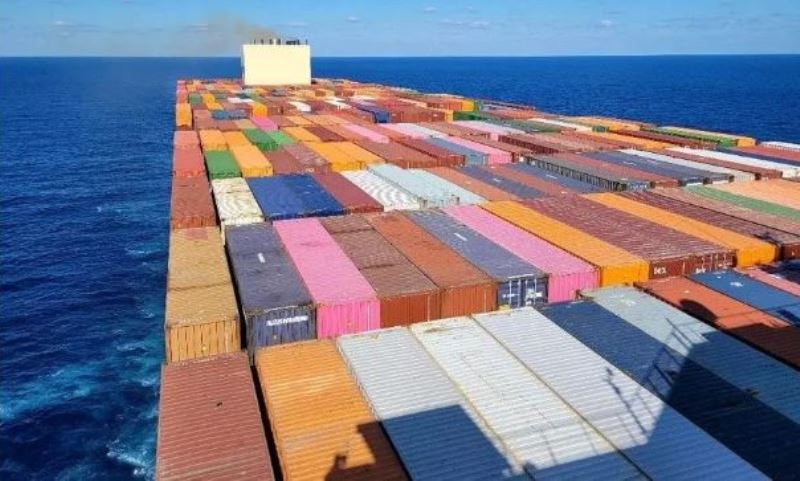
India’s exports to West Asia are receiving a significant boost from the growing use of Oman as a strategic transit corridor, helping businesses maintain smooth trade flows amid evolving regional logistics challenges. The route has emerged as an important gateway for cargo movement, providing exporters with greater flexibility and reliability in reaching key markets across the Gulf and the wider Middle East.
Trade and logistics stakeholders report that Omani ports and logistics infrastructure are playing an increasingly important role in facilitating the movement of Indian goods, particularly as companies seek alternative routing options to navigate supply chain disruptions and geopolitical uncertainties. The corridor has helped reduce transit bottlenecks while ensuring continuity in the delivery of products ranging from consumer goods and engineering products to food and agricultural commodities.
The strengthened connectivity through Oman is also supporting faster cargo transshipment and improved access to regional distribution networks. Exporters view the route as a valuable link that enhances supply chain resilience and allows Indian businesses to respond more effectively to customer demand across West Asia.
Industry experts note that closer trade cooperation and expanding maritime connectivity between India and Oman are contributing to the corridor’s growing importance. Investments in port infrastructure, logistics services, and multimodal transport solutions have further improved the efficiency of cargo movement through the route.
As trade volumes between India and West Asian economies continue to expand, the Oman transit corridor is expected to play an increasingly strategic role in supporting export growth, strengthening regional supply chains, and reinforcing India’s position as a key trading partner in the region.