
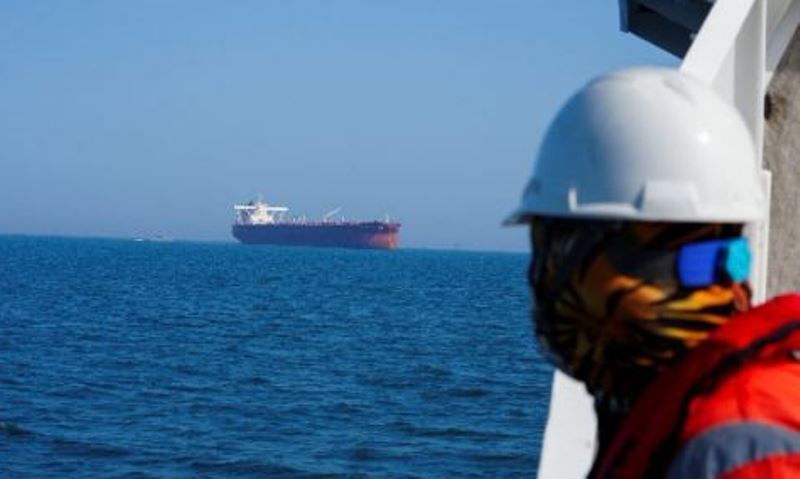
Indian Ambassador to Oman, Prashant Pise, met 21 rescued Indian seafarers from the tanker MT Settebello on Tuesday ahead of their return to India, following a deadly attack on the vessel off the Omani coast earlier this month.
According to the Indian Embassy in Oman, the Palau-flagged tanker was struck by US forces on June 10 while operating approximately 30 nautical miles off the coast of Oman. The attack resulted in the deaths of three of the 24 Indian crew members onboard.
In a statement posted on X, the embassy confirmed that the remaining 21 Indian seafarers are returning home safely. Before their departure, Ambassador Pise interacted with the crew, conveyed his best wishes, and commended their resilience and courage during the difficult ordeal.
“The Embassy remains committed to the welfare and safety of Indian nationals,” the mission said.
The incident marks the second attack on a merchant vessel carrying Indian seafarers in waters off Oman amid heightened tensions in the Gulf region.
Earlier, on June 8, US forces disabled the Palau-flagged oil tanker MT Marivex, which had 24 Indian seafarers onboard. All crew members were safely rescued.
In a separate incident on June 11, the Guinea-Bissau-flagged MT Jalveer, carrying 22 Indian crew members, came under attack near an Omani port, prompting the evacuation of the entire crew.
India has described the attacks on commercial vessels as “deeply worrisome” and has strongly raised the matter with the United States, emphasizing the need to ensure the safety of civilian shipping and seafarers operating in the region.
The attacks occurred during a period of heightened maritime tensions following the US military’s blockade of Iranian ports after Iran effectively shut the Strait of Hormuz, a critical global energy corridor that normally handles around 20% of the world’s oil and gas shipments.
The series of incidents has underscored the growing risks facing merchant shipping in the Gulf and highlighted concerns over the safety of Indian seafarers, who constitute a significant portion of the global maritime workforce.