
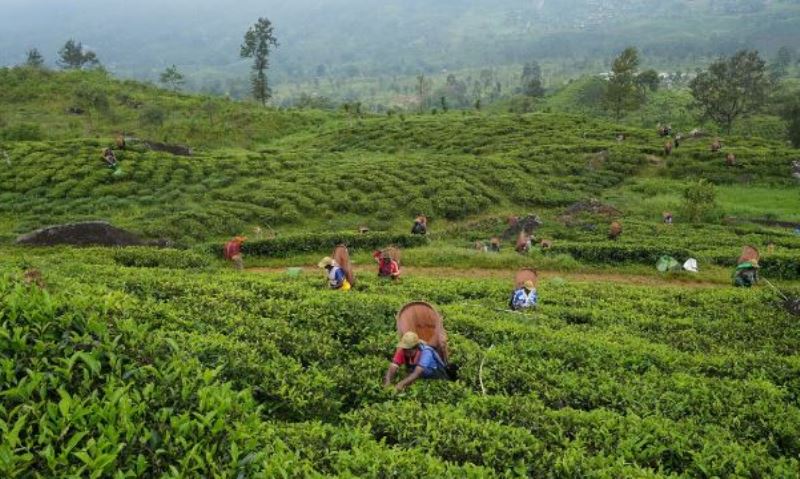
Nepal’s tea industry is facing significant export challenges after stricter import inspections introduced by India disrupted cross-border shipments, prompting several producers to suspend operations temporarily. The move has affected the flow of tea to Nepal’s largest export market, raising concerns among growers, processors, and traders.
Industry representatives say enhanced inspection procedures at Indian border points have led to delays in customs clearance, increasing logistics costs and creating uncertainty for exporters. As stocks accumulate and shipments slow, some tea factories have been forced to reduce production or halt processing activities until trade conditions improve.
India serves as a crucial transit and destination market for Nepalese tea, particularly for orthodox varieties that are exported to international buyers through Indian ports and trading networks. Any disruption in cross-border movement can therefore have a direct impact on the sector’s revenues and supply chains.
Tea producers have urged authorities in both countries to engage in dialogue to address the issue and facilitate smoother trade flows. Industry groups warn that prolonged restrictions could affect farmers’ incomes, employment in tea-growing regions, and Nepal’s export earnings during a critical marketing period.
Analysts note that while import checks are often implemented to ensure compliance with quality, safety, and documentation requirements, extended delays can place considerable pressure on perishable agricultural supply chains. The Nepal tea sector is now closely monitoring developments, hoping for a swift resolution that will allow exports and production activities to return to normal levels.