
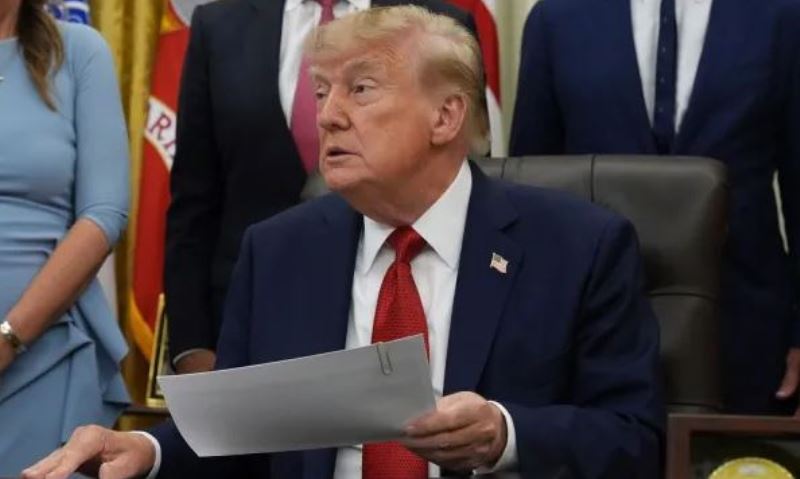
US President Donald Trump has signed legislation expanding sanctions and other economic measures against Russia, including provisions targeting the country’s shadow fleet of oil tankers used to circumvent existing restrictions.
The Lindsey O. Graham Sanctioning Russia and Iran Act of 2026, signed into law on September 18, expands statutory sanctions, tariffs and prohibitions involving Russia while extending existing sanctions on Iran.
The legislation specifically addresses Russia’s energy sector and covert tanker network, increasing the potential pressure on vessels and entities involved in moving Russian oil outside established sanctions mechanisms.
The law also gives the US president authority to impose tariffs of up to 100% on certain goods from countries that meet specified conditions related to Russian energy purchases, adding a wider trade dimension to the sanctions framework.
For the global shipping industry, the measures could increase compliance requirements for tanker operators, cargo owners, insurers and financial institutions involved in Russian oil trade. Operators may face greater scrutiny of vessel ownership, trading histories and sanctions exposure.
The legislation comes as the shadow fleet has become an important part of Russia’s oil-export logistics, with older tankers and complex ownership and operating structures used to transport cargo outside conventional Western shipping and insurance arrangements.
The impact on tanker markets and Russian oil flows will depend on how the US administration implements the new authorities and which vessels, companies or trading partners are subsequently targeted.