
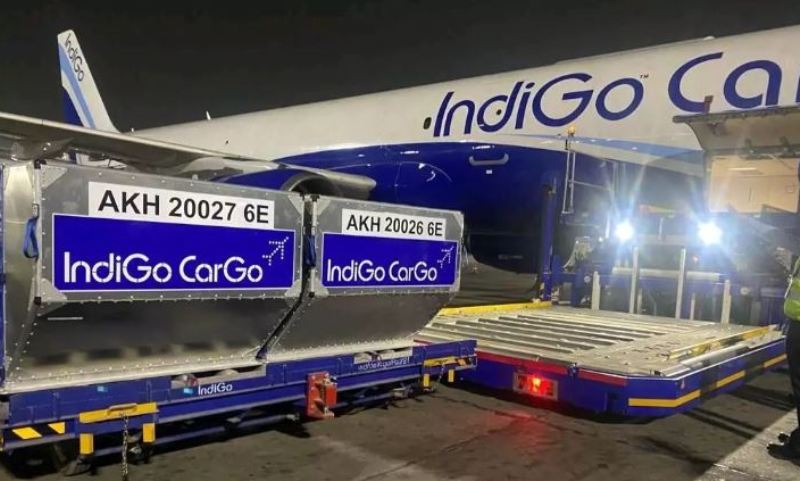
India’s aviation sector is grappling with its third consecutive day of widespread flight disruptions at IndiGo, the country’s largest airline. While the operational chaos has caused delays, cancellations, and passenger bottlenecks across major airports, there is no clear evidence yet of a ripple effect on the air-cargo ecosystem. Cargo flows appear largely stable, with no reported backlogs, rate shifts, or service disruptions linked directly to IndiGo’s ongoing crisis.
The absence of visible cargo impact stems from the nature of the disruption, which has predominantly affected passenger operations. Although IndiGo feeds a significant portion of domestic belly-hold capacity, freight forwarders and shippers rely on a wider mix of airlines and multimodal connectivity. This diversification, along with cargo-only operators and integrator networks, has helped absorb potential shocks.
Industry insiders also point out that airports and ground-handling teams typically prioritise cargo clearance during strain, knowing the sensitivity of temperature controlled goods, pharmaceuticals, e-commerce parcels, and inter-industrial shipments. That operational discipline may be helping maintain cargo fluidity despite the turbulence on the passenger side.
But aviation and logistics professionals aren’t fully breathing easy yet. With airport congestion rising and flight rotations disrupted, there remains a clear risk of secondary effects, especially if the crisis prolongs. Any sustained pressure on ground-handling resources, manpower allocation, or apron availability could eventually influence cargo turnaround times, even if subtly at first. Domestic express and perishable cargo, which rely heavily on dependable belly capacity, would feel the pinch earliest.
To assess potential implications, the Logistics Insider team reached out to the IndiGo CarGo division for comments on cargo operations, contingency planning, and whether internal buffers are being tested. No response was received at the time of publication.
For now, the air-cargo market continues to operate without visible disruption. Still, the situation reinforces a long-standing concern within the logistics community: the vulnerability of belly-dependent domestic cargo to shocks originating in passenger aviation. The sector’s stability today should not be mistaken for immunity tomorrow.
As IndiGo works to restore normalcy, cargo stakeholders are keeping a close watch, quietly confident in system resilience, yet aware that prolonged operational strain could change the picture quickly.