
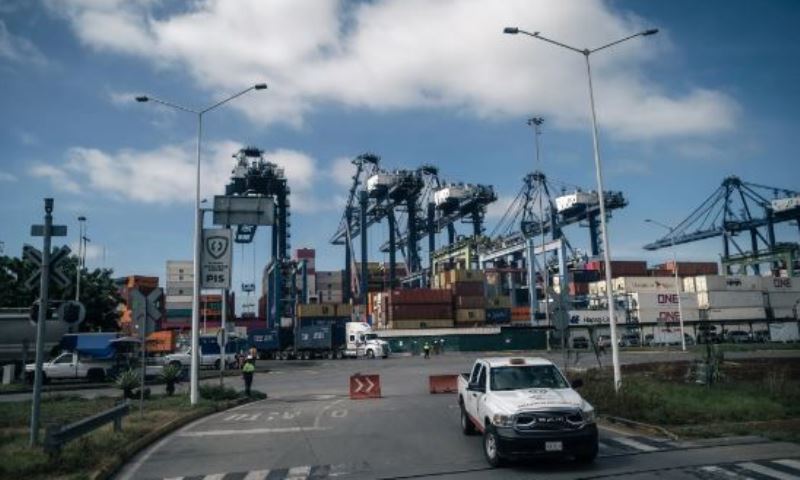
While cargo handled at non-major ports in Karnataka came down during the last financial year, it went up at New Mangalore Port (NMP), the only major port in the State, during the same period.
Replying to a starred question in the Lok Sabha on Friday, Sarbananda Sonowal, Union Minister for Ports, Shipping and Waterways, said that non-major ports in Karnataka handled 0.89 million tonnes of cargo in 2023-24 when compared to the 1.06 million tonnes handled during 2022-23.
The non-major ports in Karnataka handled .79 million tonnes of cargo in 2021-22 and 2020-21, and it was .94 million tonnes in 2019-20.
The Minister said that the cargo handled by NMP went up from 41.42 million tonnes in 2022-23 to 45.71 million tonnes during 2023-24. NMP handled 39.3 million tonnes of cargo in 2021-22.
The Minister said that several measures have been taken to achieve the targets of 230 MTPA coastal cargo in the country by 2030. These include developing onshore and evacuation infrastructure, enhancing connectivity to and from ports through road and rail, reduction of GST on bunker fuels used in Indian flag vessels from 18% to 5%, providing a 40% discount on vessels and cargo related charges to coastal cargo vessels, introduction of green channel clearance for faster evacuation of coastal cargo, priority berthing policy to reduce turnaround time for coastal vessels.
He said that coastal shipping reduces the carbon emission significantly as it is more fuel efficient than road and rail transport and ships can carry large volume of goods in a single journey. Coastal shipping leads to reduction in highway congestion and lowers the transportation sector’s overall carbon footprint.
Also, coastal shipping is cost effective compared to other modes of transport as it leverages the natural waterways that minimise fuel consumption and operational expenses. This not only benefits businesses by reducing transportation costs but also contributes to a more sustainable and economical logistics model.