
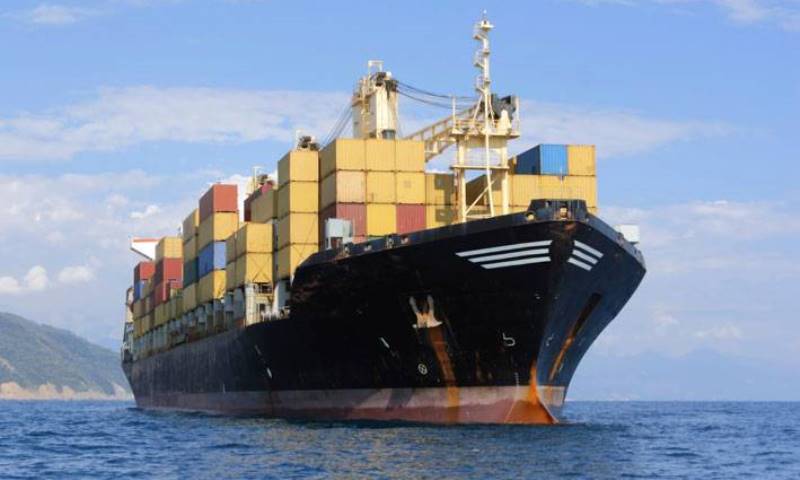
Major container lines have temporarily suspended new cargo bookings between India and key Middle East ports as security risks and operational disruptions intensify across the Persian Gulf, according to a report by the Journal of Commerce.
Carriers including Ocean Network Express (ONE) and Hapag-Lloyd have halted fresh bookings to several Gulf destinations, citing safety concerns for vessels and crew amid escalating regional tensions. The move impacts trade flows linking Indian gateways with major transshipment and import hubs across the UAE, Saudi Arabia, Qatar and Oman.
Security Risks Disrupt Trade Flows
The disruption follows heightened hostilities around the Strait of Hormuz, a critical maritime corridor through which nearly a fifth of global oil shipments and a significant share of container traffic transit. Increased military activity, drone threats and rising war-risk insurance premiums have prompted carriers to reassess port calls in the region.
Industry sources told JOC that vessels already en route are being monitored closely, with some carriers considering service adjustments or temporary omissions of select Gulf ports depending on the security situation.
Port Operations Under Strain
Operational slowdowns at major hubs such as Jebel Ali Port have compounded the uncertainty. Congestion, schedule disruptions and precautionary measures have affected vessel turnaround times and feeder connectivity, particularly for cargo transshipping via the Gulf to the Indian subcontinent and East Africa.
Freight forwarders report that booking suspensions are creating a backlog of export cargo at Indian ports, while importers brace for delays in inbound shipments of petrochemicals, polymers, metals and consumer goods.
Rising Costs and Insurance Premiums
Beyond booking pauses, carriers have introduced emergency risk surcharges to offset escalating insurance costs and operational volatility. Market participants warn that if tensions persist, freight rates on India–Middle East trades could climb sharply, adding pressure to already fragile supply chains.
Industry Seeks Clarity
Shipping lines are said to be reviewing the situation daily. While no full-scale service withdrawals have been announced, carriers indicated that booking acceptance would resume only once navigational safety and port stability improve.
For India, the Middle East remains a critical trade corridor — not only for energy imports but also for containerized exports ranging from engineering goods to food products. Prolonged disruption could have cascading effects on regional supply chains and transshipment networks.
Industry stakeholders are now closely watching diplomatic and security developments in the Gulf, as the resumption of normal shipping services hinges on a rapid de-escalation of tensions.