
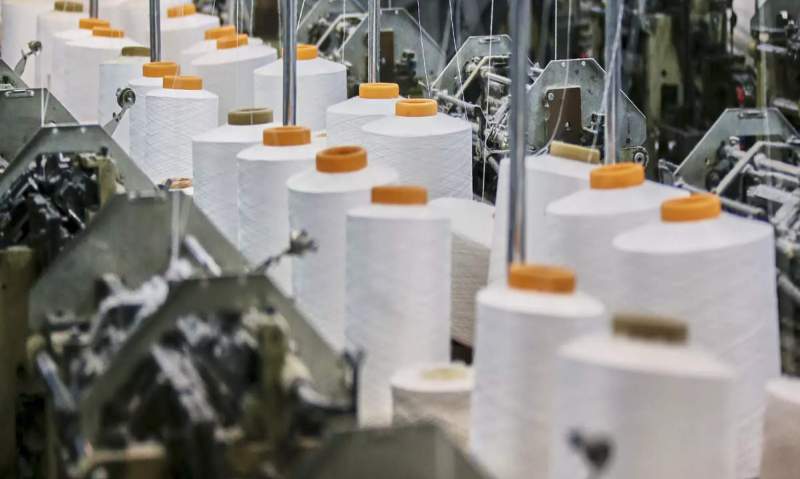
Over one-third of India’s textile and apparel companies have seen their turnover drop by half following the imposition of 50% tariffs by the United States, according to a pan-India survey conducted by the Confederation of Indian Textile Industry (CITI) and released on Monday.
The U.S. imposed a 25% reciprocal duty along with an additional 25% ad valorem tariff on Indian textile and apparel exports, effective August 27, 2025. The United States is one of India’s largest export markets, accounting for nearly 28% of the country’s global textile and apparel shipments, amplifying the impact on the sector.
The survey highlighted that 30% of respondents cited steep discount demands from U.S. buyers as a key factor driving the decline, while 25% pointed to cancellation or postponement of orders. Another 20% blamed reductions in order volumes. As a result, nearly 85% of firms reported inventory buildup due to the fall in demand.
Two-thirds of exporters said they were compelled to offer discounts, with most cutting prices by around 25% to stay competitive. The survey also found that 82% of companies are facing extended credit cycles across the supply chain. Over half reported that payment periods have stretched by three to six months, intensifying liquidity pressure. Additionally, almost 40% said their working capital requirements have risen by more than 30%, signalling deepening financial stress within the industry.