
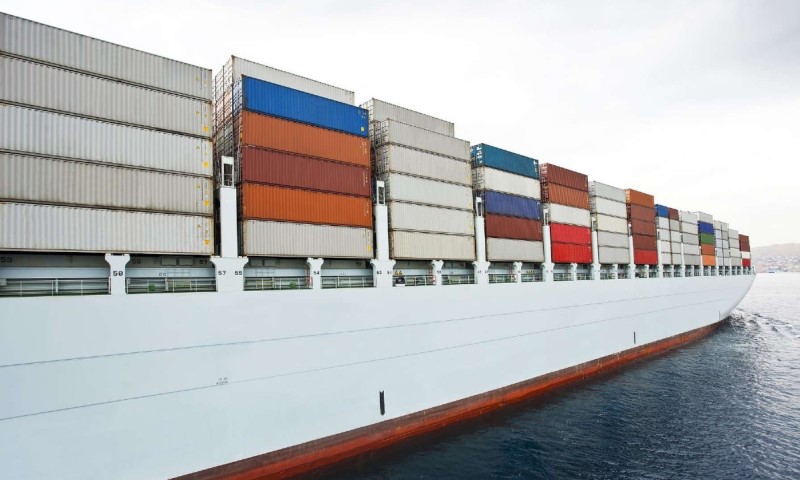
A shortage of available container ship capacity is prompting shipowners and operators to convert bulk carriers for container transport, as the shipping industry seeks alternative solutions to meet growing demand for cargo space. The trend reflects the continuing pressure on global container supply chains, where vessel availability has become increasingly constrained in several trade lanes.
Industry sources indicate that some bulk carriers are being modified to carry containers on deck and in cargo holds, allowing operators to utilize existing tonnage more efficiently while additional container ships remain in short supply. The conversions are being viewed as a practical interim measure to support cargo movement and reduce capacity bottlenecks.
The renewed interest in vessel conversions has been driven by strong demand for containerized trade, longer vessel turnaround times, and disruptions that have tightened the supply of container ship capacity. In response, shipping companies are exploring flexible deployment strategies to maintain service reliability and accommodate cargo volumes.
Maritime analysts note that while converted bulkers cannot fully replace purpose-built container vessels, they can provide valuable supplemental capacity during periods of market imbalance. The approach has previously been used during times of severe container shortages and has re-emerged as operators seek to optimize fleet utilization.
The trend is also creating opportunities for shipyards, marine engineering firms and classification societies involved in vessel modification projects. Conversions typically require structural adjustments, safety enhancements and regulatory approvals to ensure compliance with international shipping standards.
As global trade patterns continue to evolve, the use of converted bulk carriers highlights the shipping industry’s adaptability in addressing capacity challenges. Market participants expect such solutions to remain relevant until additional container ship tonnage enters service and supply-demand conditions become more balanced.