
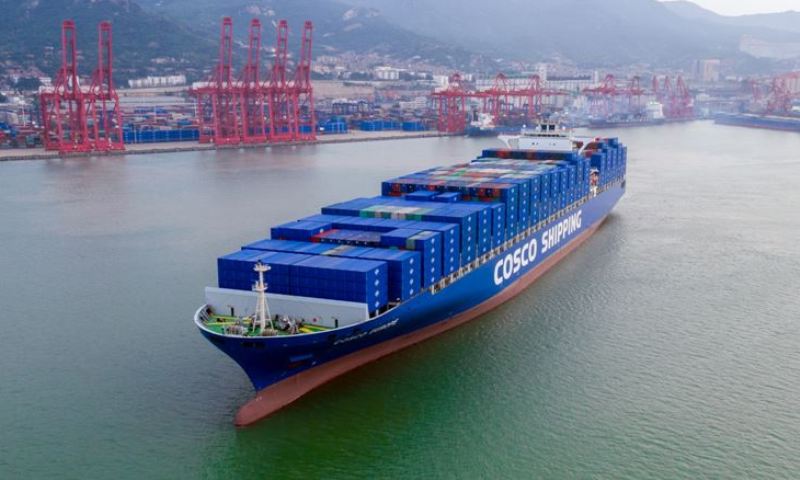
Container rates continue to soar with shippers increasingly anxious about cargoes being rolled.
The Shanghai Containerized Freight Index (SCFI), out today, was up by another 140 points to 3184.87, its highest level since August 2022, while Drewry’s composite World Container Index, published yesterday, jumped 12% to $4,716 per feu, up 181% compared to the same week last year. The Drewry index stands at 232% more than the average 2019, pre-pandemic rates of $1,420.
“Ocean peak season’s early arrival together with Red Sea diversions straining capacity and schedules continued to result in worsening congestion, equipment shortages and elevated prices this week,” commented Judah Levine, head of research at Freightos, a box booking platform.
“With capacity and equipment scarce and spot rates now several thousand dollars above long-term contract levels, annual agreements are once again becoming unreliable,” Levine warned.
A recent Freightos survey found that since early May, nearly 70% of BCOs and forwarders with long-term ocean contracts have had containers rolled or pushed to the spot market, or are facing contract renegotiations with carriers to increase their long-term rate levels.
Emily Stausboll, an analyst at Xeneta, said: “The relationships between carriers, shippers and freight forwarders become critical during times such as these when the spot market increases dramatically and long-term rates do not follow suit. The bigger the spread between long and short-term ocean freight shipping rates, the bigger the risk of cargo being rolled.”