
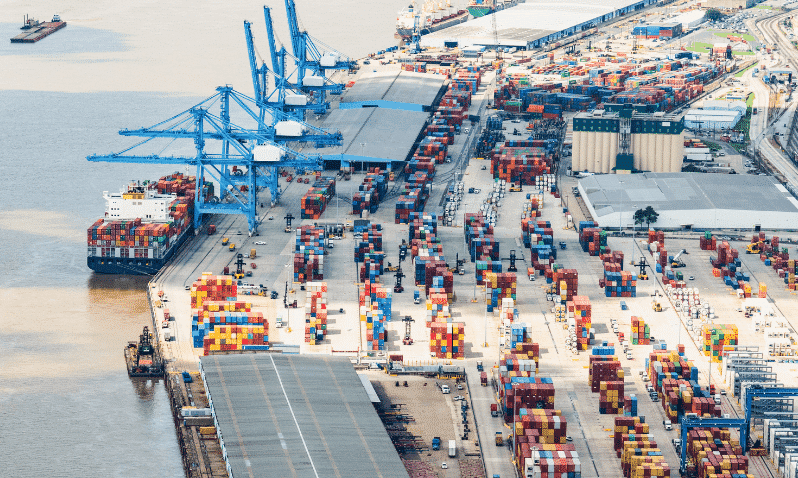
The Port NOLA has endorsed plans for a new bulk liquid terminal project, marking another step in its strategy to expand cargo-handling capabilities and strengthen its position as a key logistics gateway along the U.S. Gulf Coast.
The proposed facility is expected to enhance the port’s capacity to handle a range of liquid bulk commodities, including chemicals, petroleum products, biofuels and other industrial liquids. The project aims to support growing demand for storage, transfer and distribution infrastructure while improving supply chain efficiency for customers operating in regional and international markets.
Port officials view the terminal as a strategic investment that will bolster the competitiveness of Port NOLA and create additional opportunities for trade growth. By expanding bulk liquid handling capabilities, the port expects to attract new business, support existing customers and strengthen connections to domestic and global supply chains.
The Gulf Coast remains one of the world’s most important hubs for energy, petrochemicals and industrial manufacturing, generating substantial demand for specialized logistics infrastructure. Industry stakeholders note that modern bulk liquid facilities play a critical role in facilitating the safe and efficient movement of commodities between producers, processors and export markets.
The terminal project is also expected to generate economic benefits through job creation, increased cargo throughput and additional private-sector investment. Construction activities will support local employment, while the completed facility could contribute to long-term growth in maritime and logistics-related industries.
Port NOLA has continued to invest in infrastructure upgrades and cargo diversification initiatives as part of its broader development strategy. Enhancing bulk liquid capabilities complements ongoing efforts to strengthen container, breakbulk and intermodal operations across the port complex.
Industry analysts believe the new facility will improve operational flexibility and provide additional capacity to meet evolving market requirements. As demand for liquid bulk transportation continues to grow, ports with modern handling and storage infrastructure are expected to play an increasingly important role in supporting trade flows.
With the project receiving Port NOLA’s backing, stakeholders are expected to advance planning and development activities aimed at bringing the facility into operation and expanding the port’s role in the Gulf Coast logistics network.