
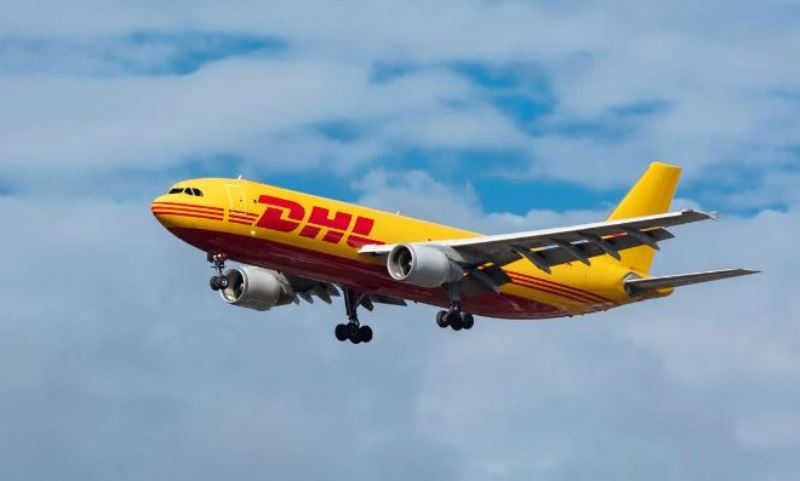
DHL has expressed optimism about the recovery of Middle East airfreight operations as regional airspace gradually reopens and cargo capacity begins to return. The positive outlook comes after recent disruptions caused by geopolitical tensions and temporary flight restrictions that had tightened freight availability across key trade lanes.
According to the company, the easing of airspace constraints is enabling airlines to restore schedules, improve route efficiency, and reintroduce bellyhold and freighter capacity into the market. This is expected to stabilize transit times and reduce pressure on rates that had risen during the peak of the disruption.
The Middle East remains a critical hub linking Asia, Europe, and Africa, making the restoration of air cargo flows particularly important for time-sensitive sectors such as pharmaceuticals, electronics, perishables, and e-commerce. Logistics providers are closely monitoring network reliability as carriers rebuild operations.
DHL noted that while recovery momentum is encouraging, market conditions may remain fluid depending on regional developments and demand patterns. However, the return of capacity and improved access to airspace are seen as important steps toward normalizing cargo movement and strengthening supply chain resilience.