
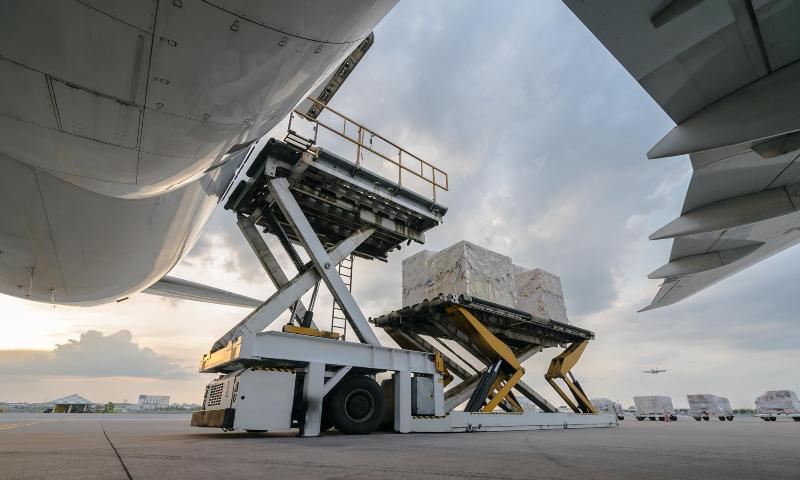
U.S. logistics providers are recalibrating supply chain strategies as air freight capacity declines, creating fresh challenges for time-sensitive cargo movement across domestic and international markets. The tightening capacity is prompting shippers, forwarders, and carriers to seek alternative transport options while managing rising costs and delivery pressures.
The reduction in available air cargo space has been linked to changes in passenger flight schedules, fleet deployment shifts, and broader market realignments affecting freighter availability. With fewer options on key lanes, industries dependent on rapid transport—including electronics, healthcare, automotive parts, and e-commerce—are facing longer lead times and tighter booking conditions.
In response, logistics companies are increasing reliance on multimodal solutions such as sea-air combinations, expedited trucking, and strategic warehousing closer to consumption centers. Businesses are also reassessing inventory planning to reduce exposure to sudden transport disruptions.
Industry analysts note that while capacity constraints may ease over time, the current shift underscores the need for more resilient logistics networks. Companies that diversify transport modes and strengthen contingency planning are expected to be better positioned in an increasingly volatile freight environment.