
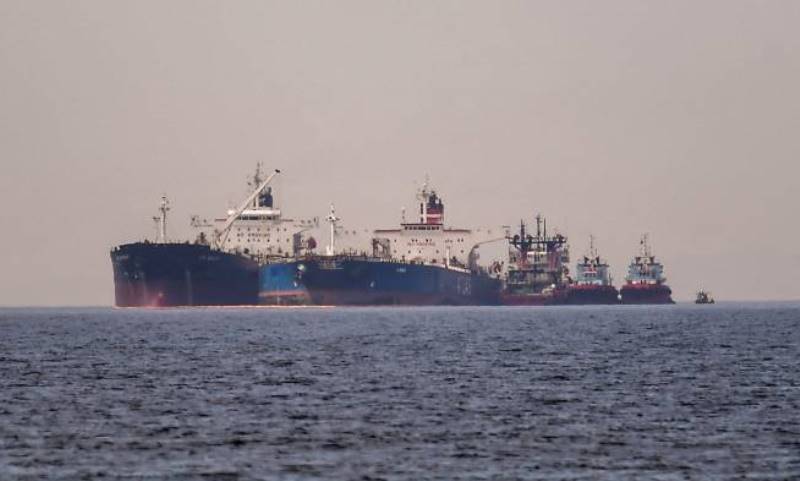
Belgian authorities have ordered a €10 million bail on the Russian-linked oil tanker Ethera after detaining the vessel earlier this week as part of a crackdown on what officials describe as Russia’s “shadow fleet.”
The tanker, which was seized in the North Sea and escorted to the port of Zeebrugge, was found to be operating with forged documentation and sailing under a false Guinean flag, Belgian authorities said. Inspectors identified dozens of violations — most related to invalid or fraudulent certificates — prompting the government to demand the substantial bail before the vessel is allowed to move.
Belgium’s North Sea Ministry confirmed that Ethera is on the European Union’s sanctions list, part of broader efforts to enforce restrictions on Russia’s energy exports in response to its invasion of Ukraine. The ship will be allowed to sail again only after the bail is paid, a follow-up inspection confirms compliance with maritime regulations, and valid flag and certification requirements are met.
Defence Minister Theo Francken said the action demonstrates Belgium’s commitment to upholding EU sanctions, protecting the North Sea and curbing financial flows that could support Russia’s military operations.
The tanker’s detention follows coordinated enforcement efforts by European nations — including a joint Belgian-French boarding operation — and reflects rising scrutiny of shadow fleet vessels that have been used to evade international sanctions by changing flags, masking ownership structures and falsifying paperwork.
While the Russian embassy in Belgium has yet to issue a formal response, Moscow has in the past characterized similar seizures as acts of piracy.
With heightened enforcement of sanctions, European authorities are increasingly signalling that shadow fleet vessels may face tougher legal and financial consequences if they fail to comply with international maritime and sanctions laws.