
The United States has unveiled a bold strategy to safeguard commercial shipping in the Persian Gulf amid rising Middle East tensions, offering government-backed war risk insurance and signaling that the U.S. Navy could escort vessels through the strategically vital Strait of Hormuz if necessary.
Speaking from the White House on Tuesday, President Donald Trump directed the U.S. International Development Finance Corporation (DFC) to provide political risk insurance and financial guarantees for all maritime trade, particularly energy shipments transiting the Gulf. The move aims to counteract the sharp rise in war-risk premiums after insurers pulled coverage for vessels operating in the region due to escalating hostilities.
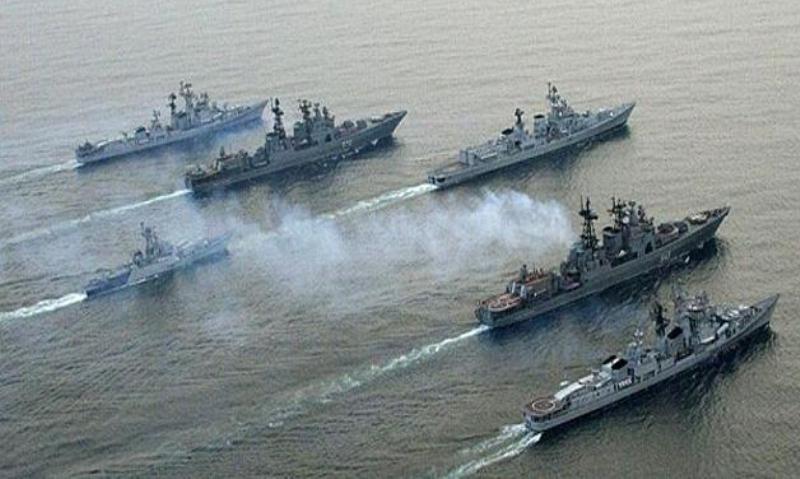
Trump also said the U.S. Navy could begin escorting oil tankers through the *Strait of Hormuz “as soon as possible” if conditions warrant, underlining Washington’s intent to ensure the free flow of energy supplies to global markets.
“The United States will ensure the free flow of energy to the world,” Trump wrote on social media, framing the plan as a combined economic and military effort to stabilize international shipping amid conflict-linked disruptions.
Background: Rising Risks in the Gulf
The announcement comes after a surge in attacks on commercial vessels and growing threats by Iranian forces in the Strait of Hormuz, a narrow chokepoint through which roughly one-fifth of the world’s oil trade passes. Several insurers had already cancelled war risk coverage for the area, prompting carriers to suspend transits and reroute ships away from the Gulf.
Analysts say that without government-backed insurance, commercial traffic through the waterway could remain stalled, worsening global energy supply uncertainties and adding upward pressure on oil prices — which have already jumped amid the crisis.
Industry and Policy Impact
Shipping associations have given mixed responses to the plan. Some applaud the effort to underwrite risk and encourage resumed transits, while others note logistical and operational limits of deploying naval escorts in contested waters.
U.S. officials are also exploring additional measures, including strategic petroleum reserve releases and coordination with international partners to mitigate broader market impacts.