
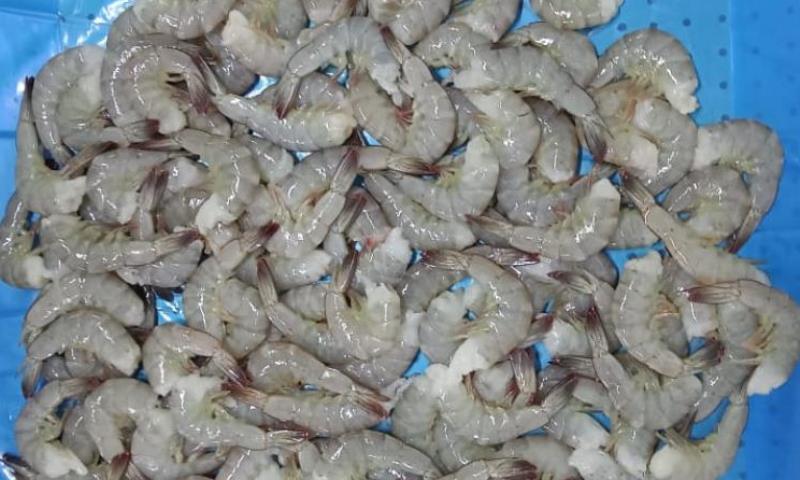
India’s seafood industry, particularly shrimp processing, is booming, with the United States being its largest importer. However, the rapid growth of this sector is causing serious concerns over the working conditions of those employed, primarily migrant women and girls from Odisha’s rural areas.
According to a CNN report, female migrant workers in India’s shrimp industry endure long working hours, freezing temperatures, and restricted movement, all while receiving inadequate pay. For many, these conditions are a harsh reality they must endure to provide for their families, as severe poverty, exacerbated by climate change and natural disasters, drives them to seek work in this sector.
Child labor and labour law violations
The report also highlights troubling issues, including child labor and violations of labor laws within the industry. Many workers face exploitation, with forced labour practices being reported in shrimp processing units. Lack of basic health care further compounds the difficulties faced by the workers, raising alarm among labour rights advocates.
Calls for better labor practices
The demand for shrimp processing in export markets, particularly in the US and China, is contributing to the exploitation of migrant workers.
Activists are urging the Indian government to enforce existing labour laws and introduce specific protections for workers in this sector.
Furthermore, the report calls on the US and other importing countries to use their influence to demand better working conditions and practices in India’s shrimp industry.