
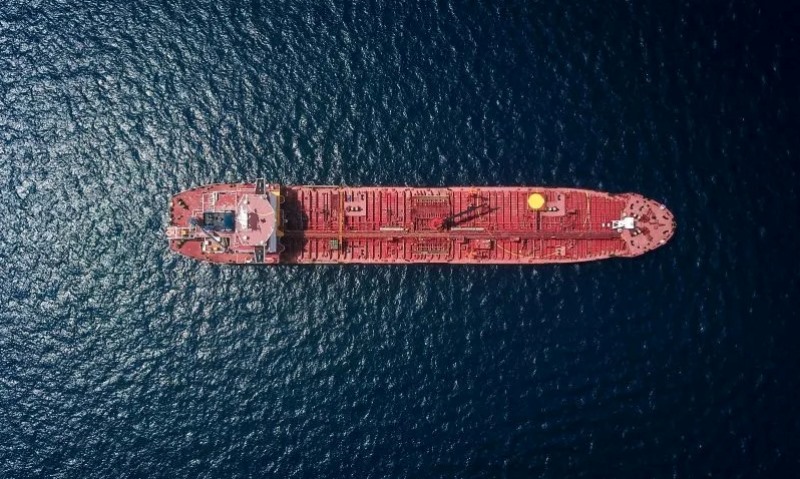
Saudi Arabia is significantly increasing crude oil exports through its Red Sea terminals following disruptions in the Strait of Hormuz caused by the ongoing West Asia conflict.
Saudi oil giant Saudi Aramco plans to transport more than 5 million barrels of oil per day through alternative routes to stabilize global energy supplies. The move comes as the closure and disruption of the Strait of Hormuz continue to impact international oil markets.
According to industry estimates, every week of disruption in the Strait of Hormuz removes nearly 100 million barrels of oil from global supply, intensifying concerns over shortages and price volatility.
To bypass the affected shipping lane, Saudi Arabia is using its East-West Pipeline, which transports crude oil from the country’s eastern oil fields to the Red Sea port of Yanbu on the western coast. The existing infrastructure currently enables exports of around 5 million barrels per day through this alternate route.
However, Amin Nasser said the company is working to substantially increase export volumes further in order to ease pressure on global markets and compensate for supply shortages.
Nasser also noted that since the conflict began in late February, the global oil market has already experienced an estimated shortfall of nearly 1 billion barrels of crude oil.