
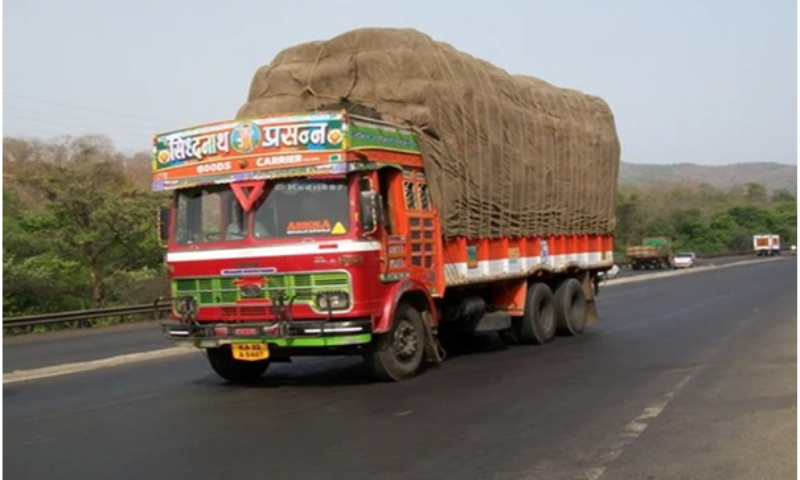
In the dynamic world of logistics, time is not just money—it’s survival. Trucks that remain stationary not only incur costs but also disrupt an industry striving to streamline operations in a country where logistics expenses remain stubbornly high. With road logistics constituting a whopping USD 170 billion industry, prolonged truck detentions emerge as a costly inefficiency, calling for immediate redressal.
The Scope of the Problem
Truck detention, defined as time spent waiting beyond agreed loading or unloading periods, has reached critical levels in India. Industry estimates suggest that many trucks face delays ranging from hours to days, stalling operations and compounding inefficiencies. This bottleneck creates a ripple effect: underutilized fleets, increased operational costs, and a growing driver shortage exacerbated by poor working conditions.
For full truckload (FTL) operators, detention is a particularly acute pain point. Unlike Part Truck Load (PTL) operators, who can offset delays with premium pricing, FTL players operate on thin margins. These delays mean fewer trips per month, often falling short of the 10,000–12,000 km benchmark required for profitability. The underutilization not only impacts fleet owners but also results in cascading financial stress across the supply chain.
Symbolic detention charges further aggravate the problem. In global markets like the US, detention fees can be as high as USD 100 per hour. In contrast, Indian operators are often paid nominal charges of INR 1,000–1,500 per day—barely enough to cover fixed costs. Moreover, these charges are frequently waived to retain business, especially by smaller, unorganized players.
Root Causes: Beyond the Surface
Truck detention is not just a logistics issue—it’s symptomatic of deeper inefficiencies across the supply chain. Disorganized warehouses, inadequate staffing, and overburdened storage facilities often delay unloading. Some companies even use trucks as temporary storage units, avoiding investments in expanding warehousing infrastructure.
The seasonal nature of certain industries, like e-commerce, further compounds the problem . Vendors delivering goods during peak sales periods often encounter full warehouses, forcing trucks to wait indefinitely.
Not just that, truck detention also carries a heavy human toll. Drivers stuck for extended periods face deplorable conditions, with no access to basic amenities like restrooms or food. Many resort to cooking under their trucks—a hazardous practice driven by necessity.
This neglect not only affects driver morale but also exacerbates the ongoing driver shortage, a critical issue in an industry reliant on human capital for last-mile delivery.
The Way Forward: Solutions for Systemic Change
To address this challenge, stakeholders must embrace both technological and operational reforms:
1. Digital Coordination
Implementing transport management systems (TMS) and fleet management software can enhance real-time visibility and coordination between shippers, carriers, and warehouses. Synchronizing schedules can minimize waiting times and streamline loading and unloading
processes.
2. Warehouse Optimization
Investment in automated warehouses, better staffing, and more efficient layouts can significantly reduce delays caused by operational inefficiencies.
3. Policy Interventions
Government regulations mandating standardized detention charges and maximum permissible waiting times can create accountability across the supply chain. Just as GST and the e-way bill transformed compliance, such measures could set operational benchmarks.
4. Driver Welfare
Logistics companies must provide basic amenities for drivers, such as restrooms, food stalls, and rest areas, at hubs and client locations.
This investment not only improves working conditions but also helps retain talent in a critical industry.
5. Integrated Solutions
Companies offering combined logistics and warehousing solutions can help customers offload goods into temporary storage facilities, reducing truck waiting times and optimizing fleet utilization.
Toward a Smarter Supply Chain
The inefficiencies caused by truck detention are symptomatic of a broader issue: the need for a more agile, responsive, and technology-driven logistics ecosystem. With coordinated efforts from industry players and policymakers, India’s logistics sector can overcome these challenges, paving the way for reduced costs, enhanced efficiency, and improved working conditions.
As the industry evolves, addressing the issue of truck detention will not just be a logistical necessity but a cornerstone for building a resilient and competitive supply chain in India.