
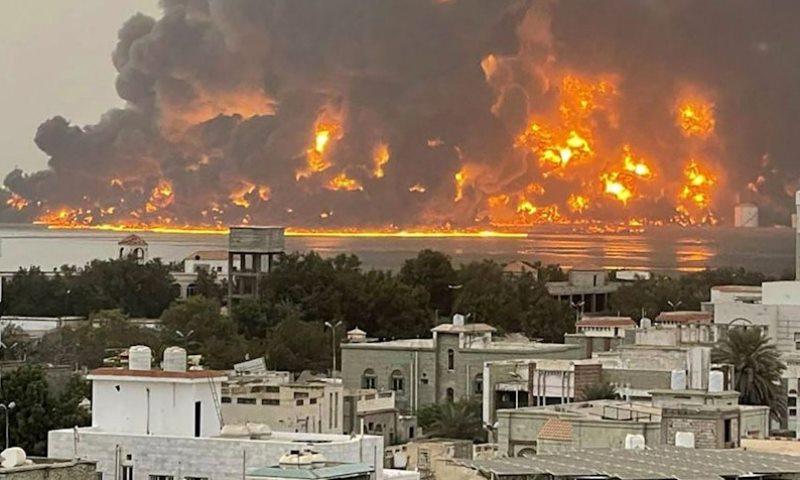
As geopolitical tensions escalate between Iran and Israel, the Indian government is on high alert, strategizing to maintain economic stability. The ongoing conflict could have far-reaching implications for India, particularly in trade and energy supply, prompting the need for decisive action.
Government’s Action Plan
The Indian government understands that international trade is crucial for its economy, especially regarding imports and exports. With global tensions rising, any trade disruptions could adversely affect India. In response, the government is closely monitoring global developments and is ready to take necessary measures to ensure that the Iran-Israel conflict does not negatively impact Indian trade.
To mitigate risks, the government is focusing on stabilizing trade routes and policies. If the situation worsens, it may need to adjust its economic policies to keep trade activities smooth. This proactive approach aims to protect the Indian economy from potential shocks caused by geopolitical instability.
Potential Risks for India
The Iran-Israel conflict poses several risks, particularly concerning energy supplies. Fluctuations in oil prices are a significant concern for India, which relies heavily on oil imports. If tensions lead to a disruption in oil supplies, it could result in soaring fuel prices, directly impacting the country’s economy. In such a scenario, India may be forced to make tough economic decisions to safeguard its interests.
Role of the RBI
The Reserve Bank of India (RBI) is also playing a critical role in monitoring the evolving situation. In its upcoming monetary policy meeting, the RBI will analyze both global and domestic economic conditions to assess potential impacts. The central bank’s decisions will be vital in navigating the economic challenges posed by external factors.
The RBI aims to ensure growth and stability amid uncertainty, and it will be interesting to see the measures they implement in response to the changing geopolitical landscape.
In summary, the Iranian-Israeli conflict presents a complex challenge for the Indian economy. With rising tensions potentially affecting trade and energy supplies, the government’s proactive planning and the RBI’s oversight will be crucial in maintaining economic stability. The situation demands close attention and readiness to adapt to protect India’s economic interests.