
Vessel movements through the Strait of Hormuz remained minimal on Monday, a day after Donald Trump announced that the United States would begin efforts to restore safe passage in the region.
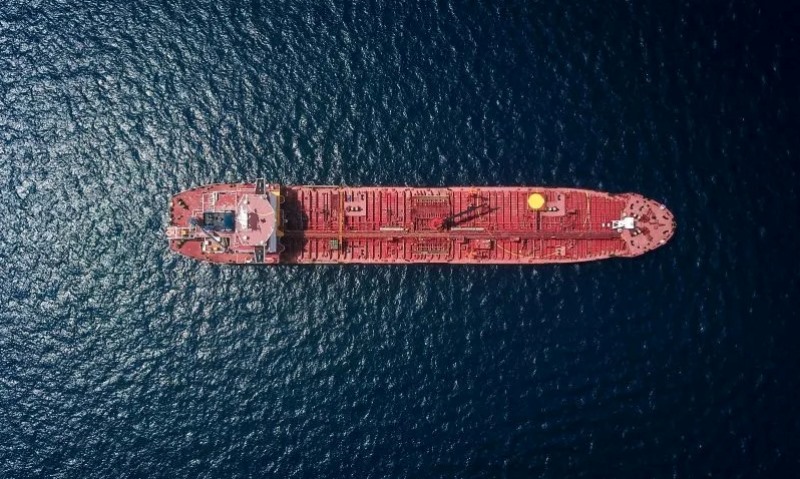
Shipping data indicated that only a single sanctioned handy-sized LPG tanker, along with a handful of cargo vessels and a cable-laying ship, entered the Gulf of Oman. No queues of commercial vessels were observed waiting to transit the strait, underlining continued uncertainty and risk.
German shipping major Hapag-Lloyd said transits for its fleet remained effectively impossible due to the absence of clear procedures ensuring safe passage. Meanwhile, the United States Central Command (CENTCOM) confirmed it had begun operations aimed at restoring freedom of navigation, while maintaining a naval blockade on Iranian ports.
Industry bodies warned that clarity is still lacking. The Baltic and International Maritime Council (BIMCO) said shipping companies have received no concrete guidance on the U.S. plan or its execution. Jakob Larsen, the group’s chief safety and security officer, noted that without Iran’s consent, threats to commercial vessels cannot be effectively mitigated.
The International Maritime Organization (IMO) estimated that hundreds of vessels and as many as 20,000 seafarers remain unable to pass through the vital chokepoint due to the ongoing conflict.
Security risks remain elevated. The Joint Maritime Information Center maintained its “critical” threat level advisory, urging vessels to consider alternative routing through Omani territorial waters south of established shipping lanes.
CENTCOM described its mission as defensive, combining diplomatic engagement with military coordination. However, Iran has issued stern warnings, telling the U.S. Navy to stay out of the strait and stating that commercial ships must coordinate passage with Iranian authorities. Tehran has also released a map asserting its claimed control over surrounding waters.
In a related development, Pakistan confirmed that all 22 crew members of the Iranian-flagged container ship Touska, seized by U.S. forces last month, have been evacuated and will be repatriated. The vessel itself is expected to be returned to its owners following repairs, in what Pakistan described as a “confidence-building measure.”
The U.S. naval blockade on Iranian ports, imposed on April 13, has already led to a sharp decline in Iran’s oil exports, adding further strain to global energy markets and maritime trade flows.