
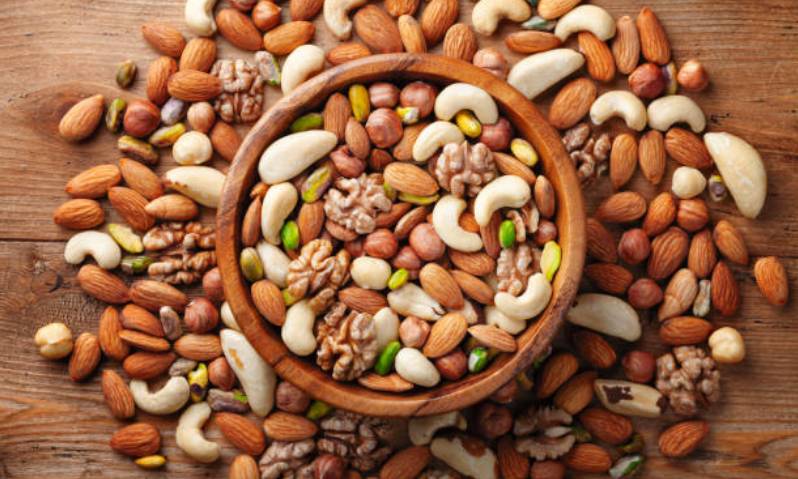
Dry fruit prices in India may rise by as much as 30 percent ahead of the Diwali festive season as ongoing import disruptions tighten supplies and increase procurement costs, according to market assessments by commodity trade experts.
India relies heavily on imports for several dry fruits, including almonds, pistachios, walnuts, hazelnuts, and premium dates, sourced primarily from countries such as the United States, Iran, Afghanistan, Turkey, and the Middle East. Recent disruptions in global shipping networks, higher freight costs, and delays in cargo movements have created uncertainty in the supply chain.
Industry participants say importers are already facing longer transit times and increased logistics expenses, which are expected to be passed on to wholesalers and retailers in the coming months. The situation could become more pronounced as festive demand begins to build ahead of Diwali, traditionally one of the strongest consumption periods for dry fruits in India.
Commodity traders noted that inventories currently available in domestic markets may help cushion immediate shortages, but sustained disruptions could lead to tighter supplies and higher prices closer to the festive season. Premium products such as almonds, pistachios, and imported dates are expected to witness the sharpest price increases.
The supply concerns come amid continuing volatility in international trade routes and shipping operations, with importers closely monitoring developments that could affect cargo flows from major producing regions. Rising insurance premiums, freight charges, and currency fluctuations have also added to import costs.
Retailers are preparing for possible price adjustments as festive demand gathers momentum, while traders are urging businesses to secure inventories early to avoid supply bottlenecks. Industry experts expect market conditions over the next few months to play a crucial role in determining the extent of price increases before Diwali.
Despite the anticipated rise in prices, demand for dry fruits is expected to remain resilient, supported by their popularity as festive gifts and their growing consumption among health-conscious consumers across India.