
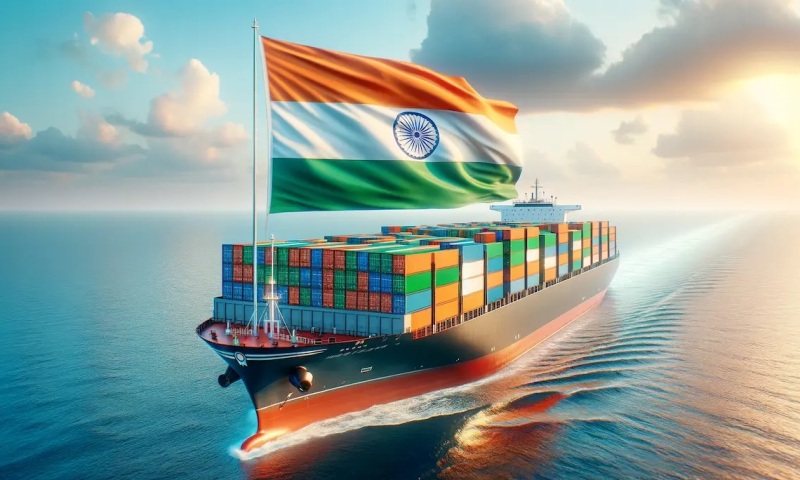
India is facing growing calls from industry stakeholders to introduce regulatory measures aimed at curbing alleged profiteering by global ocean carriers, as freight rates and supply chain costs remain volatile.
Exporters, importers, and logistics bodies have raised concerns over what they describe as excessive pricing and limited transparency in freight rate mechanisms, particularly during periods of disruption. The issue has gained renewed attention amid recent geopolitical tensions and capacity constraints that have tightened global shipping supply.
Industry representatives argue that a lack of oversight has enabled major container shipping lines to exercise significant pricing power, leading to elevated costs for businesses reliant on maritime trade. They are urging the government to consider frameworks that ensure fair pricing practices, improve service reliability, and enhance accountability.
In response, policymakers are reportedly evaluating potential options, including closer monitoring of freight rates, stricter enforcement of competition laws, and possible guidelines for carrier conduct. Any move toward regulation would need to balance market efficiency with the need to protect domestic trade interests.
However, shipping industry experts caution against heavy-handed intervention, noting that freight rate fluctuations are often driven by global demand-supply dynamics, fuel costs, and operational challenges. They warn that excessive regulation could disrupt market functioning and deter capacity deployment on key trade routes.
The debate also reflects broader global discussions on the role of regulation in container shipping, with several countries examining similar concerns in the wake of pandemic-era rate spikes.
As India continues to expand its role in global trade, the outcome of this policy debate is likely to have significant implications for exporters, logistics providers, and international shipping lines operating in the region.