
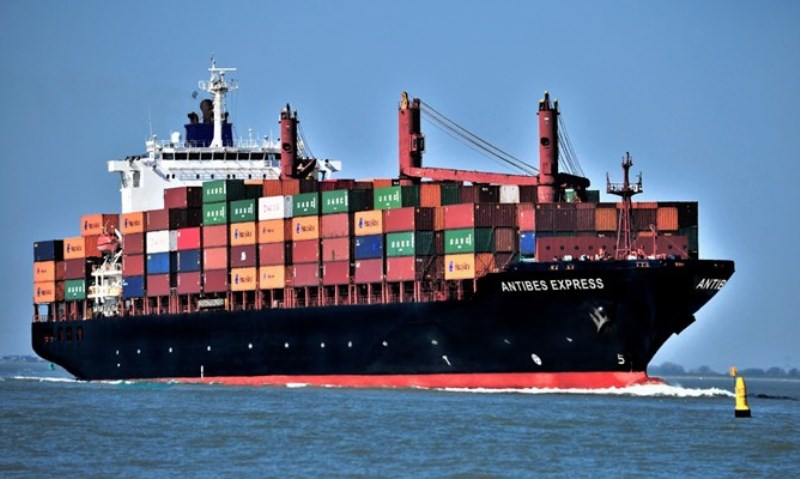
India’s efforts to support exporters hit by cargo disruptions due to the ongoing Iran conflict have exposed a key policy gap: while the government can direct relief at ports, it lacks the authority to regulate pricing by global container shipping lines.
The Ministry of Ports, Shipping and Waterways had instructed state-owned port authorities to offer significant concessions—including reductions in ground rent and reefer plug-in charges—to ease the burden on exporters whose cargo was stranded during the crisis. However, industry sources say the benefits have been uneven and difficult to implement, largely due to the independent pricing practices of shipping lines.
Clash Between Policy and Market Reality
The directives come despite India’s shift to a market-driven regime under the Major Port Authorities Act, which removed the earlier rate regulatory framework for major ports. While the Ministry’s intervention is seen as justified given the extraordinary circumstances, its impact has been limited.
Shipping lines—responsible for the largest share of logistics costs—have imposed multiple surcharges and sharply increased freight rates, citing rising fuel and insurance expenses linked to the conflict. Industry executives note that while ports account for less than 5% of total logistics costs, they are being pressured to offer concessions, even as carriers are reluctant to pass on these benefits to exporters.
Limited Regulatory Powers
Unlike the Federal Maritime Commission in the U.S., which mandates advance notice for rate hikes, India’s maritime regulator—the Directorate General of Shipping—does not have statutory powers to control freight pricing.
Under the Merchant Shipping Act, the government can enforce transparency in charges but cannot regulate the commercial pricing of ocean carriers. The DG Shipping has reiterated that freight rates will remain market-driven, though all charges must be clearly disclosed upfront.
Trade Demands Stronger Intervention
Exporters and trade bodies have pushed back, arguing that extraordinary situations warrant stronger oversight. Some have pointed out that freight rates on routes such as India–Dubai have surged from about $1,000 pre-war to as high as $4,000–$5,000, largely due to war risk surcharges.
Trade representatives have urged the government to consider measures similar to those occasionally applied in the airline sector, where pricing caps are imposed during emergencies. They argue that licensing conditions for shipping lines operating in India should allow for some level of pricing control or penalties in crisis situations.
DG Shipping Steps In on Transparency
In an April 8 circular, the DG Shipping acknowledged that port concessions were not being effectively passed on to exporters, describing the reimbursement process as “circuitous.” It directed that:
Concessions must be passed on directly and transparently to stakeholders
Post-facto reimbursement mechanisms be discontinued
Port authorities take responsibility for monitoring compliance
The circular also called for better communication of concessions and stricter documentation of all additional charges, including those related to cargo diversion or alternate port discharge.
Focus on War Risk Premiums
The regulator raised concerns over inconsistencies in war risk premiums and said it is coordinating with insurers, including GIC Re and global P&I Clubs. Shipping lines have been instructed to ensure that such premiums are proportionately reflected in freight charges and fully documented.
Growing Debate Over Market Regulation
The situation has reignited debate over whether container shipping—traditionally a free-market industry—should face temporary pricing controls during force majeure events such as wars or pandemics.
While exporters argue that unchecked pricing leads to windfall gains for carriers at their expense, others caution that intervention could distort a globally competitive market—especially since shipping lines endured years of low freight rates before recent disruptions.
As the crisis unfolds, India’s challenge remains clear: balancing market freedom with the need to protect trade during extraordinary disruptions.