
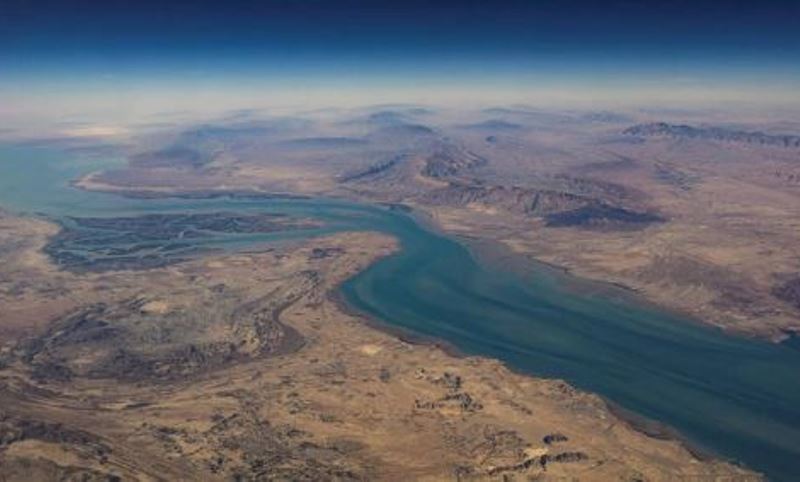
India could benefit from potential concessions on proposed transit service fees in the Strait of Hormuz after Iran indicated that “friendly” nations may receive preferential treatment under any future fee framework governing vessel movements through the strategic waterway.
The development comes amid growing global attention on maritime security and shipping costs in the Gulf region, where the Strait of Hormuz serves as one of the world’s busiest maritime chokepoints for crude oil, liquefied natural gas, and other essential commodities. Any changes to transit charges could have significant implications for global trade and freight markets.
India, which imports a substantial share of its crude oil, liquefied petroleum gas, fertilisers, and petrochemicals through the Gulf, is closely monitoring the evolving situation. Lower transit costs for Indian-bound vessels could help reduce shipping expenses and support supply chain stability, particularly for energy and bulk commodity imports.
Shipping and logistics experts noted that while Iran’s comments may offer reassurance to key trading partners, the implementation of any transit fee mechanism would depend on broader legal, diplomatic, and commercial considerations. Shipping companies are expected to assess any new charges alongside insurance premiums, security risks, and voyage planning before adjusting operations.
Industry observers said continued dialogue among regional stakeholders will be essential to maintaining the uninterrupted flow of maritime trade through the Strait of Hormuz. For India, any preferential treatment that lowers shipping costs could provide added resilience to import supply chains while helping limit cost pressures on critical commodities.