
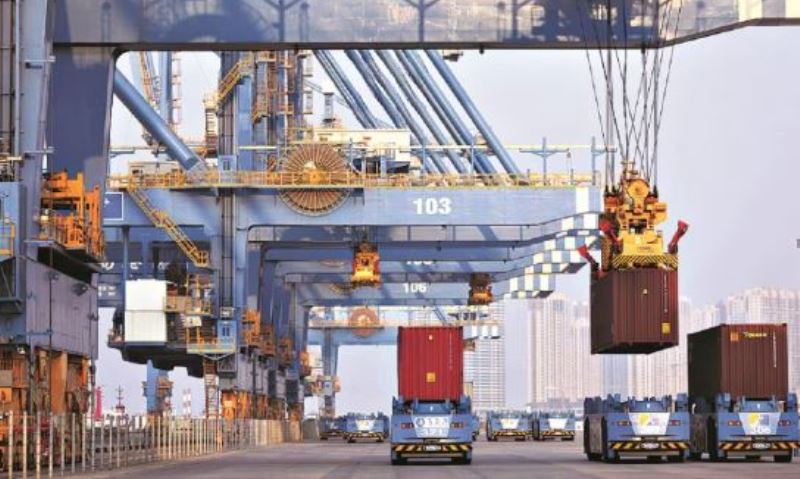
Indian exporters shipping goods to Latin America are facing mounting challenges as limited vessel space and sharply rising ocean freight rates disrupt cargo movements and increase logistics costs. The capacity crunch is affecting a wide range of export commodities, prompting concerns over shipment delays and reduced competitiveness in key regional markets.
Industry stakeholders said strong demand for container capacity, vessel schedule disruptions, and equipment imbalances have tightened space availability on major trade routes connecting India with Latin American destinations. As a result, exporters are experiencing longer booking lead times and greater uncertainty in securing timely shipments.
The surge in freight rates has added to the financial burden on exporters, particularly small and medium-sized enterprises that operate on thin margins. Higher transportation costs are making Indian products less price-competitive, forcing some businesses to renegotiate contracts, defer shipments, or absorb additional logistics expenses.
Exporters of engineering goods, chemicals, pharmaceuticals, textiles, agricultural products, and consumer goods have been among those most affected. Industry associations have urged shipping lines to deploy additional capacity and improve service reliability to ease the pressure on the India–Latin America trade lane.
Logistics experts believe the market will remain challenging until vessel capacity improves and supply chain bottlenecks ease. In the meantime, exporters are exploring alternative routing options, advance booking strategies, and closer coordination with freight forwarders to minimise disruptions and maintain delivery commitments to customers across Latin America.