
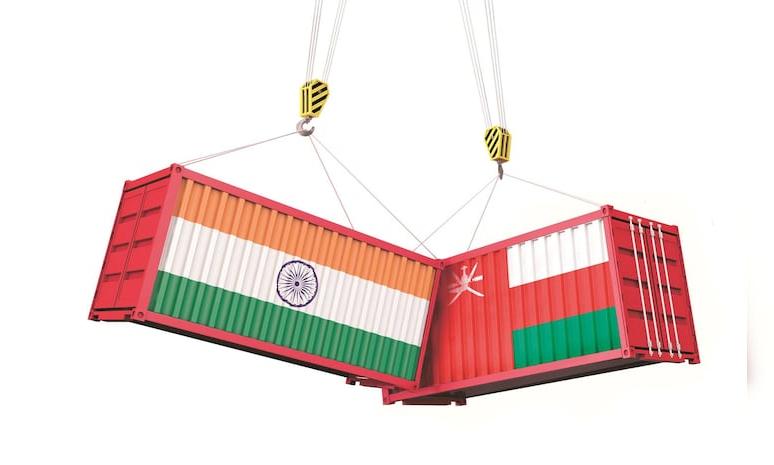
The implementation of the India–Oman Comprehensive Economic Partnership Agreement (CEPA) is expected to significantly strengthen India’s export ecosystem by creating new opportunities across labour-intensive industries, enhancing market access for Indian businesses, and supporting employment generation in manufacturing and services sectors.
Under the agreement, Oman has granted India duty-free market access on 98.08 per cent of its tariff lines, covering 99.38 per cent of India’s export value to the Gulf nation from day one. The move is expected to improve the competitiveness of Indian products in the Omani market by eliminating or substantially reducing import duties on a wide range of goods.
Among the key beneficiaries are labour-intensive sectors such as textiles and apparel, marine products, food processing, gems and jewellery, leather goods, footwear, engineering products, plastics, furniture and select agricultural exports. These industries employ millions of workers across India and are heavily represented by micro, small and medium enterprises (MSMEs), making the agreement particularly significant for inclusive economic growth.
Government and industry assessments indicate that the CEPA will help Indian exporters secure improved market access while strengthening supply chain linkages with the Gulf region. Sectors such as engineering goods, pharmaceuticals, chemicals, petrochemicals, electronics, machinery, auto components and industrial equipment are also expected to witness higher export volumes as tariff barriers are removed.
The agreement is expected to provide a major boost to MSMEs by expanding export opportunities and encouraging value-added manufacturing. With improved access to Oman’s market, smaller exporters are likely to benefit from increased orders, greater production capacity utilisation and enhanced integration into regional and global value chains. The pact is also expected to stimulate fresh investments in export-oriented industries and strengthen India’s manufacturing competitiveness.
In addition to trade in goods, the CEPA covers services, investment, professional mobility and regulatory cooperation, creating opportunities for Indian companies operating in information technology, healthcare, education, research and development, and professional services. Enhanced mobility provisions for professionals are expected to support skilled employment and deepen economic engagement between the two countries.
The agreement also aligns with India’s broader strategy of strengthening trade partnerships with key Gulf economies while supporting export-led growth. Bilateral trade between India and Oman stood at approximately USD 10.61 billion in FY 2024-25, and the CEPA is expected to accelerate trade flows, strengthen investment ties and create long-term opportunities for businesses across both countries.
Industry observers believe the agreement will be particularly beneficial for export clusters involved in textiles, seafood processing, jewellery manufacturing, leather products and engineering goods, generating employment and supporting economic activity across several states. By improving market access and reducing trade costs, the India–Oman CEPA is expected to emerge as an important driver of MSME growth, manufacturing expansion and job creation in the coming years.