
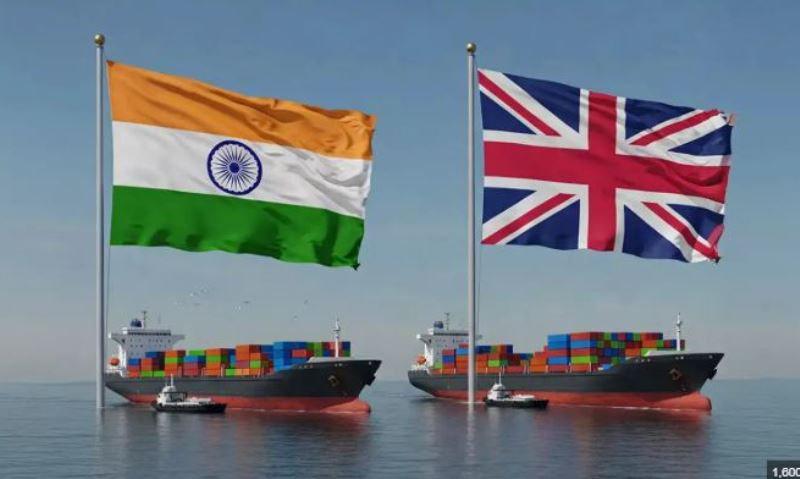
New Delhi: India’s free trade agreement with the United Kingdom is expected to improve market access for exporters, but tariff reductions alone will not be enough to unlock the agreement’s full potential, according to the Global Trade Research Initiative (GTRI).
The India-UK Comprehensive Economic and Trade Agreement (CETA), which comes into force on July 15, is set to lower tariffs on a wide range of products. However, GTRI said Indian exporters must strengthen quality standards, certification systems, logistics, regulatory compliance and buyer networks to fully benefit from the pact.
GTRI Founder Ajay Srivastava said the agreement provides market access, but converting that access into higher exports will require parallel improvements across the export ecosystem.
“Without parallel work on standards, certification, logistics, regulatory approvals and buyer networks, much of the opportunity will remain on paper. The agreement opens the door; India must now convert access into exports,” he said.
According to GTRI, export competitiveness under CETA will vary across sectors. Food exporters will need to comply with stringent UK food safety, testing and traceability requirements, while engineering and electronics manufacturers must secure internationally recognised certifications and strengthen commercial partnerships.
Automobile manufacturers will have to meet rules of origin and technical standards, whereas exporters of garments, textiles, leather and footwear should move quickly to capitalise on the tariff advantage before competing suppliers adjust.
The think tank identified garments, textiles, leather products, footwear, processed foods, seafood and selected agricultural products as the sectors likely to witness the biggest gains, citing India’s manufacturing strengths, strong UK import demand and meaningful tariff reductions under the agreement.
Despite the UK’s merchandise imports reaching $928.9 billion in 2025, India exported goods worth only $15.2 billion, accounting for a modest 1.6% share of the British import market. The UK also represented just 3.4% of India’s total merchandise exports.
GTRI cautioned that a low market share alone does not guarantee export growth. Factors such as regulatory compliance, food safety norms, certification requirements, supply chain efficiency and safeguard measures will play an equally important role in determining export success.
Processed food emerged as one of the most promising sectors. The UK imported $33.4 billion worth of processed food in 2025, while India’s exports stood at just $354 million, giving it a market share of only 1.1%. GTRI said products such as ready-to-eat meals, bakery and confectionery items, sauces and ethnic foods could witness significant growth if exporters meet the UK’s quality, labelling and traceability standards.
The report also highlighted opportunities for automobiles, motorcycles, auto components and selected engineering products, though it stressed that compliance with rules of origin and technical regulations would determine the extent of the benefits.
At the same time, GTRI noted that sectors such as chemicals and pharmaceuticals may see only limited gains from tariff concessions, as regulatory approvals, quality standards and procurement systems remain the primary barriers to market access.
The think tank also warned that India’s steel exports could continue to face challenges due to the UK’s safeguard measures, lower import quotas and high above-quota tariffs. Similarly, alcohol exports are unlikely to witness substantial growth because of limited export volumes, weak global branding and intense international competition.
GTRI concluded that while the India-UK CETA creates significant opportunities for Indian exporters, long-term success will depend on strengthening competitiveness, improving compliance with international standards and building stronger market linkages rather than relying solely on tariff reductions.