
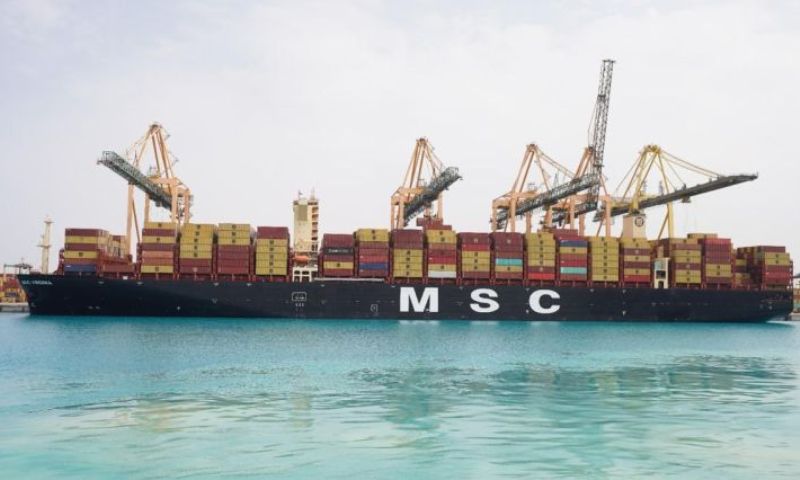
Non-operating shipowners (NOOs) are increasingly returning to the container shipping market, signaling renewed confidence in modern box ship investments amid evolving fleet requirements and long-term demand expectations.
Industry players report a growing appetite among leasing firms and tonnage providers to acquire next-generation container vessels, particularly those with fuel-efficient designs and lower emissions profiles. These ships are seen as better aligned with tightening environmental regulations and charterers’ preference for sustainable operations.
Unlike traditional liner operators, NOOs do not run shipping services themselves but lease vessels to major carriers. Their renewed interest is being driven by expectations of stable charter returns and a gradual tightening of vessel supply as older ships face phase-out pressures.
Market analysts note that demand is particularly strong for mid-sized and larger vessels equipped with dual-fuel capabilities or energy-saving technologies. Such assets are expected to remain competitive over the long term as the industry transitions toward greener shipping solutions.
The trend also reflects a shift in investment strategies, with institutional investors and ship leasing firms seeking exposure to maritime assets that offer relatively predictable income streams. Improved sentiment in global trade and container volumes is further supporting this outlook.
However, stakeholders remain cautious about potential market volatility, including geopolitical risks, freight rate fluctuations, and shipyard capacity constraints. Despite these uncertainties, the renewed push by NOOs into modern tonnage suggests a positive medium- to long-term outlook for the container shipping sector.