
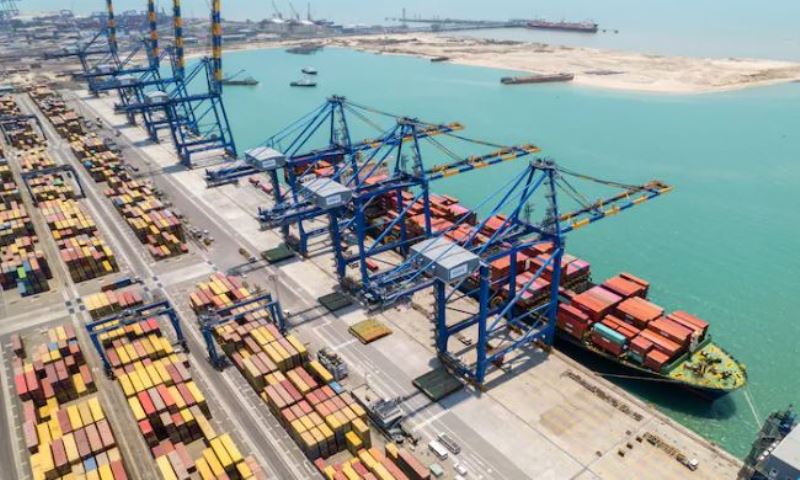
Major container ports around the world are showing signs of rapidly shifting from normal operations to severe congestion, raising concerns about potential disruptions to global supply chains.
Shipping and logistics analysts say several ports that were operating at manageable levels have quickly become overloaded due to sudden surges in vessel arrivals, cargo backlogs and operational constraints. The rapid shift is making it difficult for terminal operators and carriers to maintain steady cargo flows.
Industry observers note that disruptions in key trade routes, schedule adjustments by shipping lines and the diversion of vessels away from conflict-affected regions have led to uneven cargo flows across major hubs. As ships bunch up at certain gateways, terminals are struggling to handle the increased volume within limited berth capacity and yard space.
The problem is compounded by delays in inland transportation networks, including trucking and rail, which slow down the evacuation of containers from ports. When containers remain longer in terminal yards, storage areas fill up quickly, further restricting the handling of incoming cargo.
Supply chain specialists warn that once ports reach overload conditions, it can take weeks for operations to return to normal. Vessel queues, missed sailings and schedule disruptions can ripple across global shipping networks, affecting both imports and exports.
Logistics providers are advising shippers to plan shipments well in advance, monitor port conditions closely and consider alternative routing options where possible to mitigate the impact of potential congestion.
With global trade flows already under pressure from geopolitical tensions and shifting shipping routes, the sudden transition of ports from stable operations to overload conditions could add fresh uncertainty to international logistics networks.